Proof

Reference work

Abstracted pieces of real work: what the operator saw, what the team did, and what it took, measured in days.

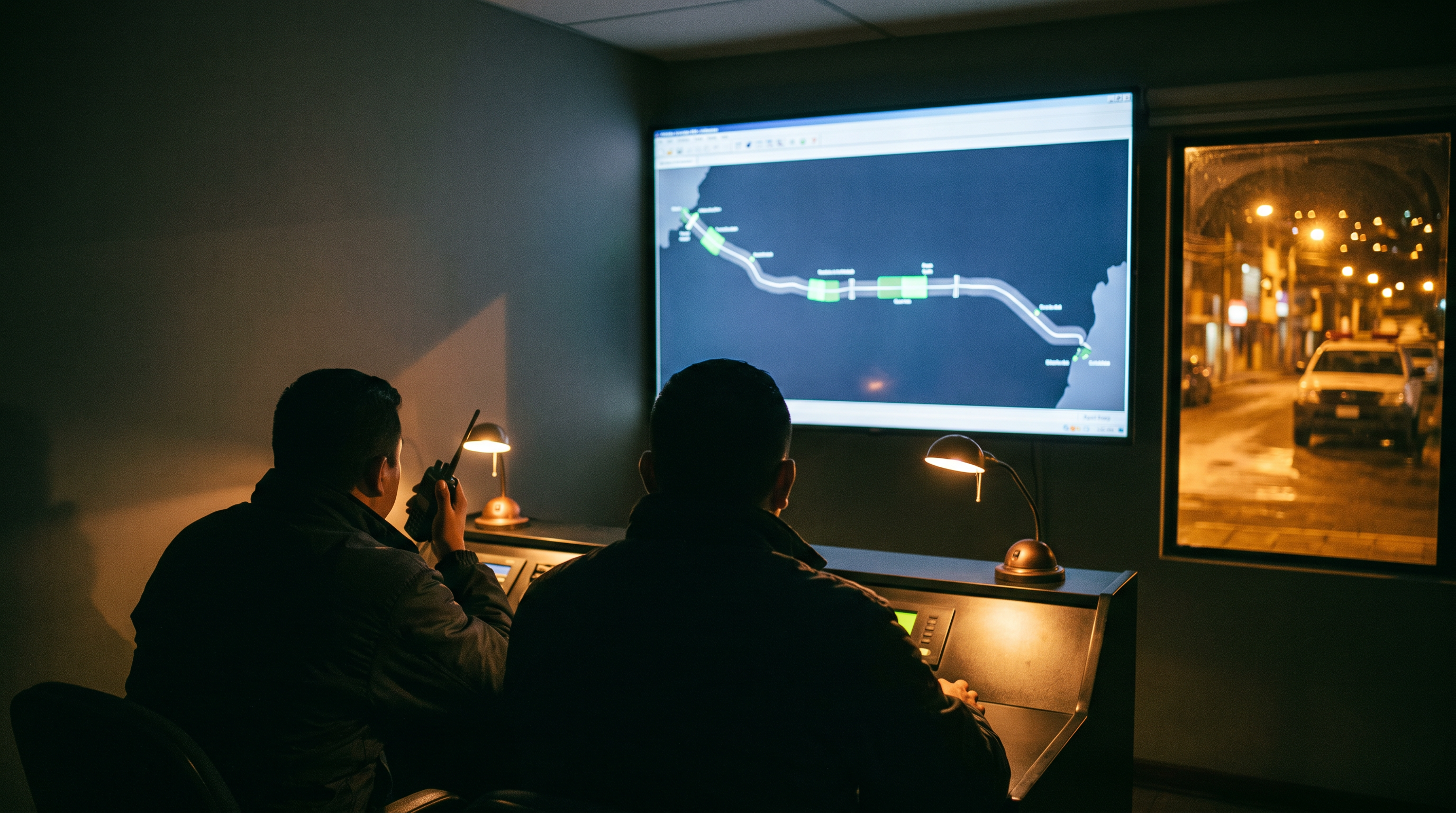
A corridor screened from orbit, confirmed by radar.

What the operator saw
The whole right of way screened weekly from open satellite data, a handful of cells flagged, before-and-after imagery on each.
What the team did
Tasked radar through cloud on the flagged cells, correlated with line pressure, handed a confirmed site to the intelligence layer.
What it took
Days from first screen to confirmed cell.

Capture in preparation.

A reserve's dry season, assessed from four systems.

What the operator saw
Sea-surface temperature anomaly, rainfall, surface-water extent and vegetation greenness for one territory, compared to the prior year, answered in plain language with every number cited.
What the team did
Fused public ocean, weather and satellite records into one assessment and a watch that flags change.
What it took
No field hardware; the first assessment inside a month.

Capture in preparation.

A mine-site landslide, before and after.

Capture in preparation.

A grid operational picture.

Partner-delivered reference programs

The operational model, in production with critical-infrastructure operators.

These programs were delivered by Skyline Communications, the company that builds DataMiner, for its own customers. We cite them with Skyline's permission to show the operational model at national scale.

New Zealand

Kordia

State-owned operator of national broadcast and emergency communications networks.

Kordia's 24/7 network operations center ran on separate tools from many vendors. DataMiner replaced them with one layer for monitoring, control and automation across more than 5,000 devices, and 98% of Kordia's infrastructure is now provisioned on it.

Read the story on skyline.be →

France

TDF

Broadcast and telecom infrastructure operator with 8,600 commercialized sites.

TDF consolidated a fragmented set of network operations tools into one system, phased network by network; digital terrestrial television alone runs to 14,000 elements. New equipment is now monitored in weeks instead of months.

Read the story on skyline.be →

Figures as published by Skyline Communications.

Hosted in your country · Your team owns it from day one