Insights
Industry analysis, deployment patterns, and perspectives from the teams building intelligence for critical infrastructure.
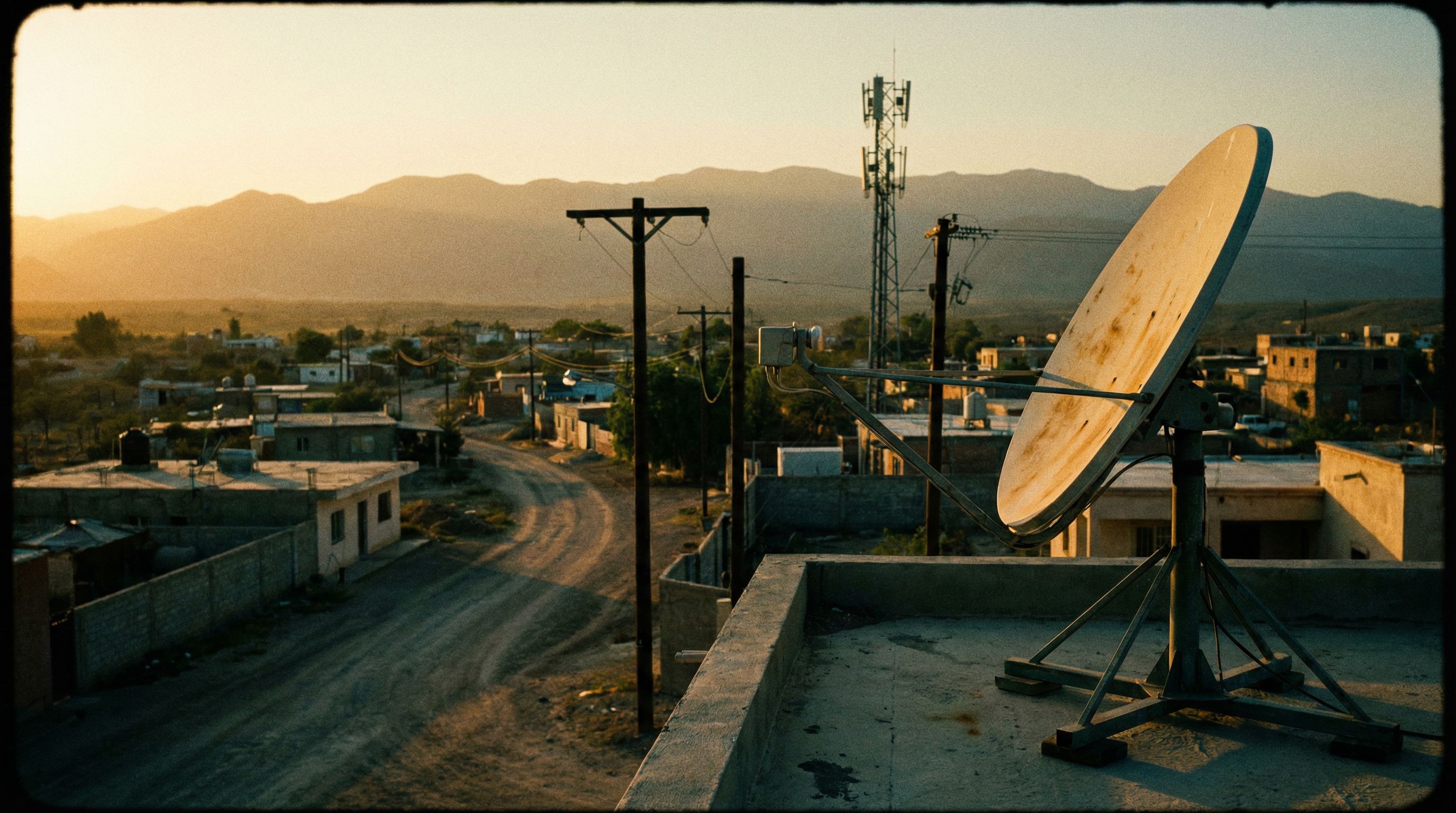
Remote operations need connectivity for telemetry and monitoring. Remote communities need connectivity for basic services. When these two requirements are funded, deployed, and managed separately, both cost more and deliver less than they should.
Most infrastructure monitoring programs start with field sensors and work outward. But when you deploy instruments without first understanding where risk actually concentrates, you're building expensive coverage where threats aren't — and leaving gaps where they are.
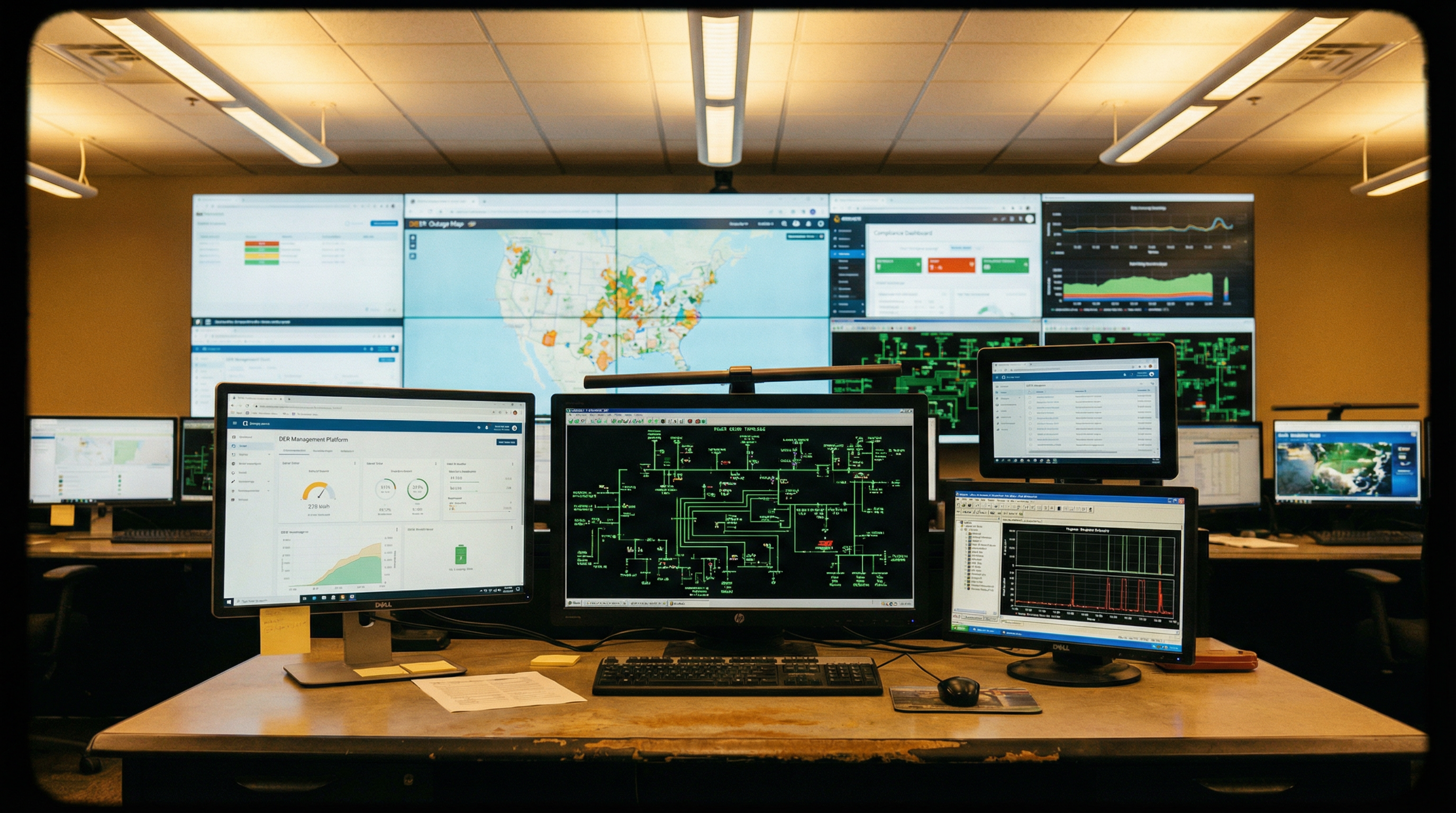
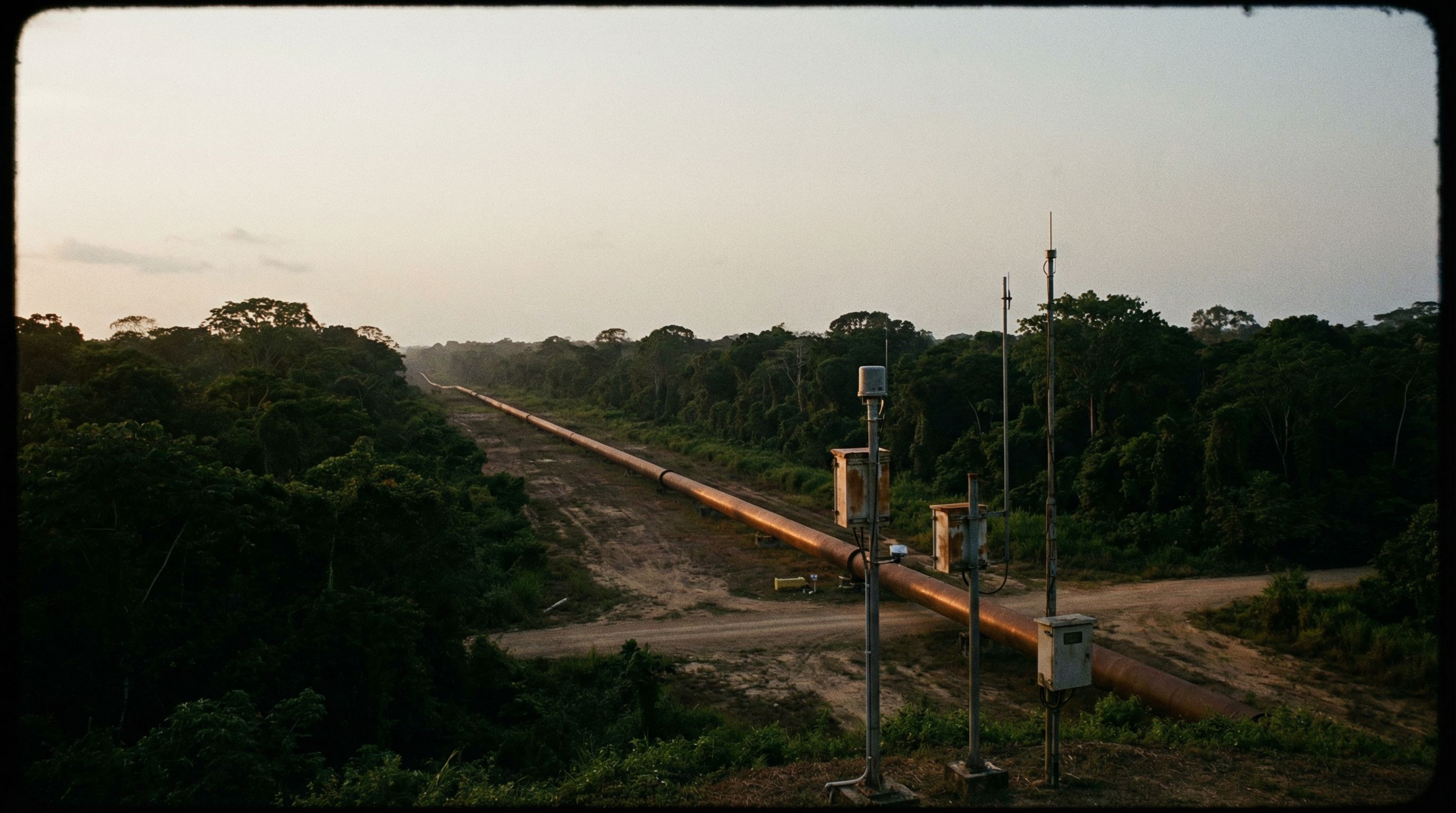
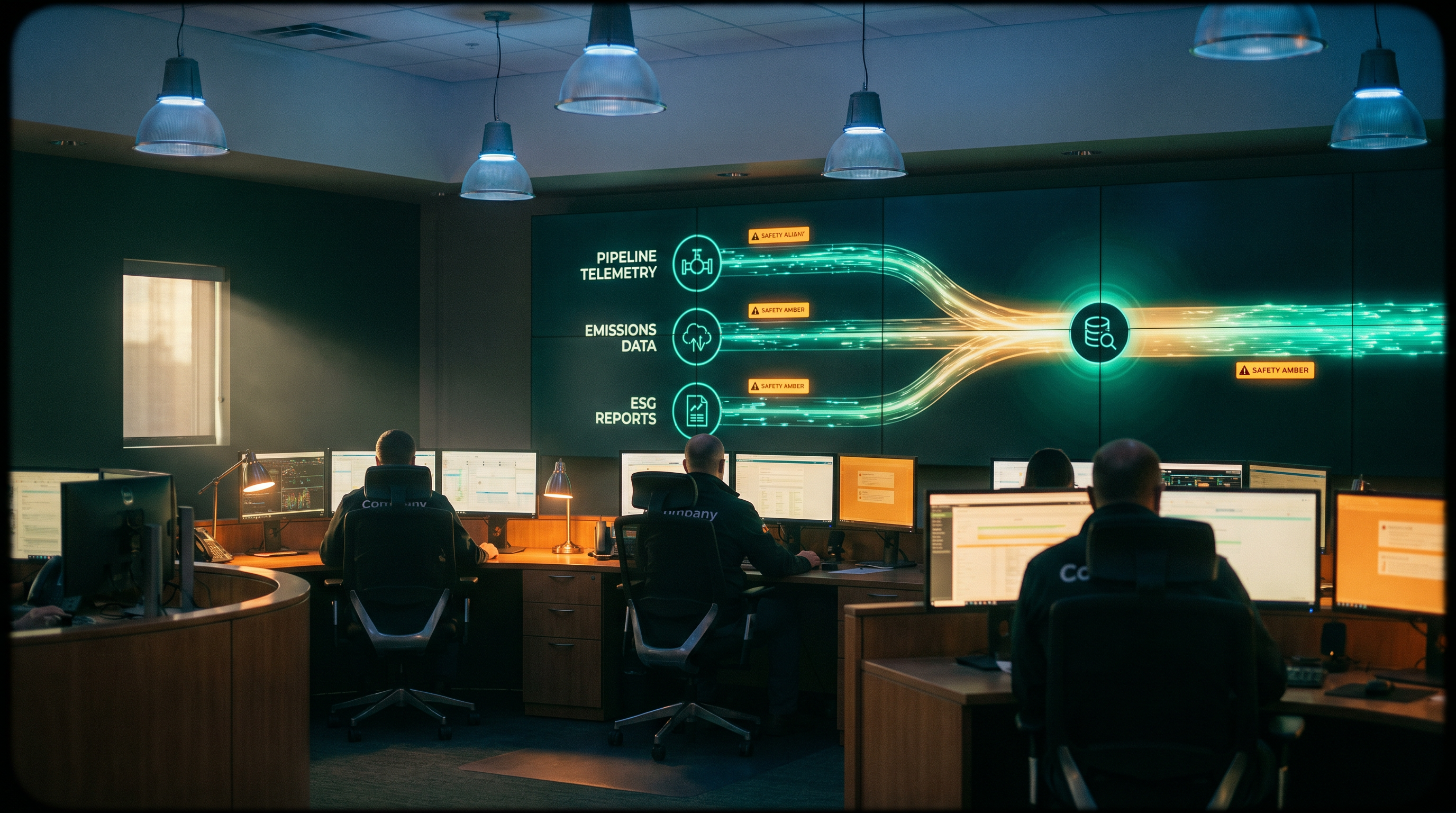
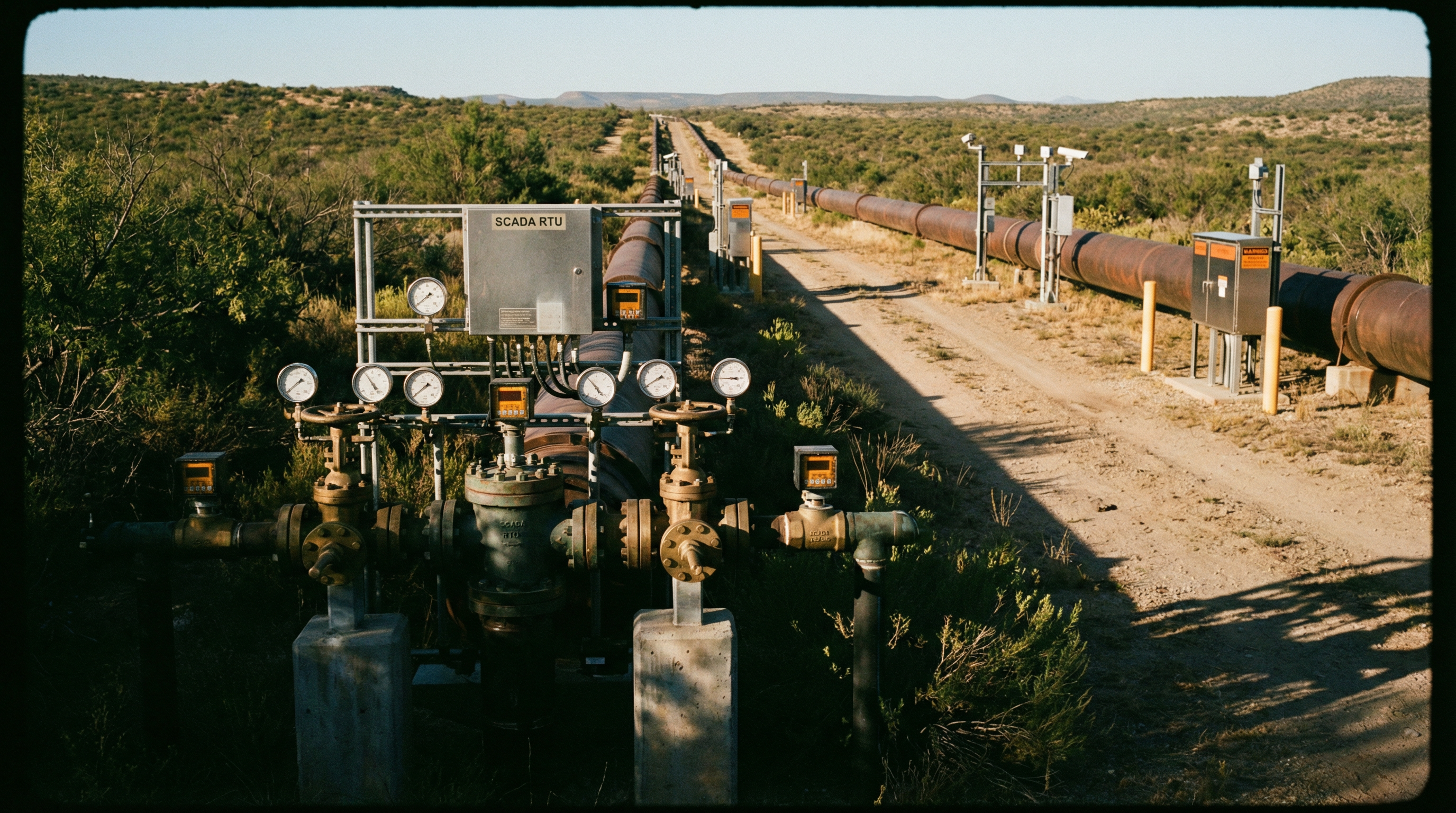
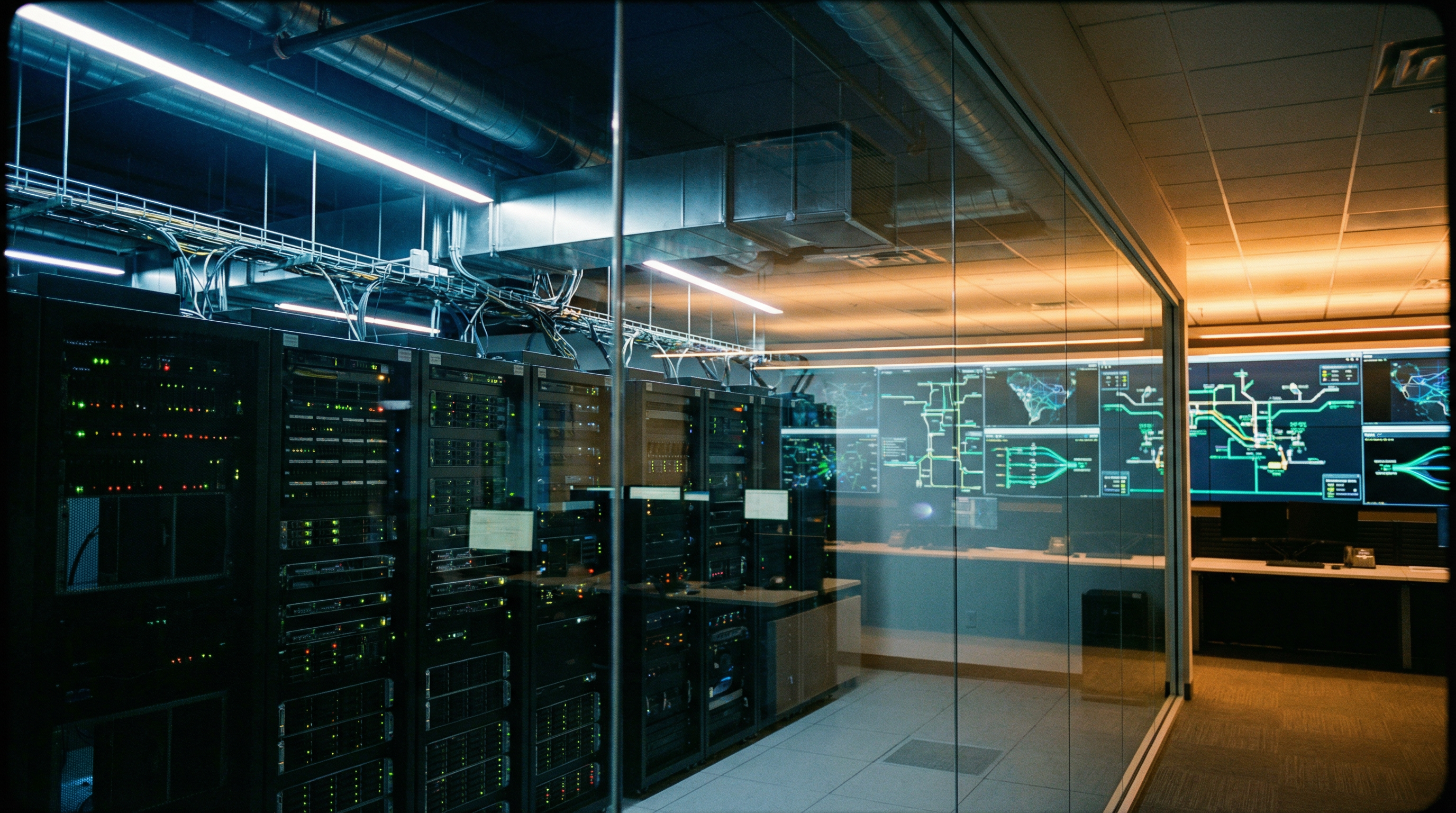
SCADA systems monitor. They don't correlate. The future of pipeline operations belongs to the companies that treat their data—pressure, integrity, emissions, field operations—as one interconnected intelligence system, not separate reporting silos.
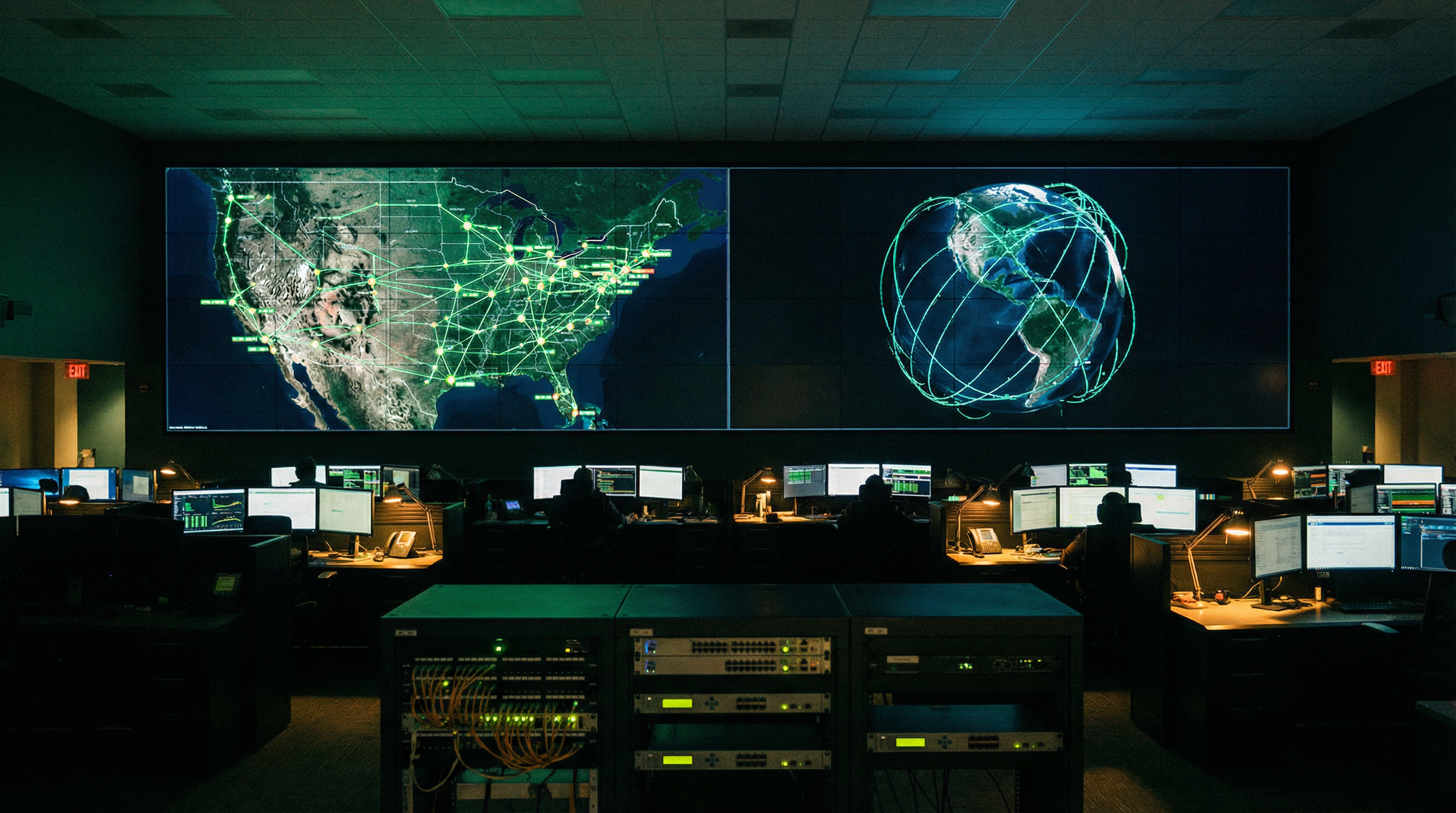
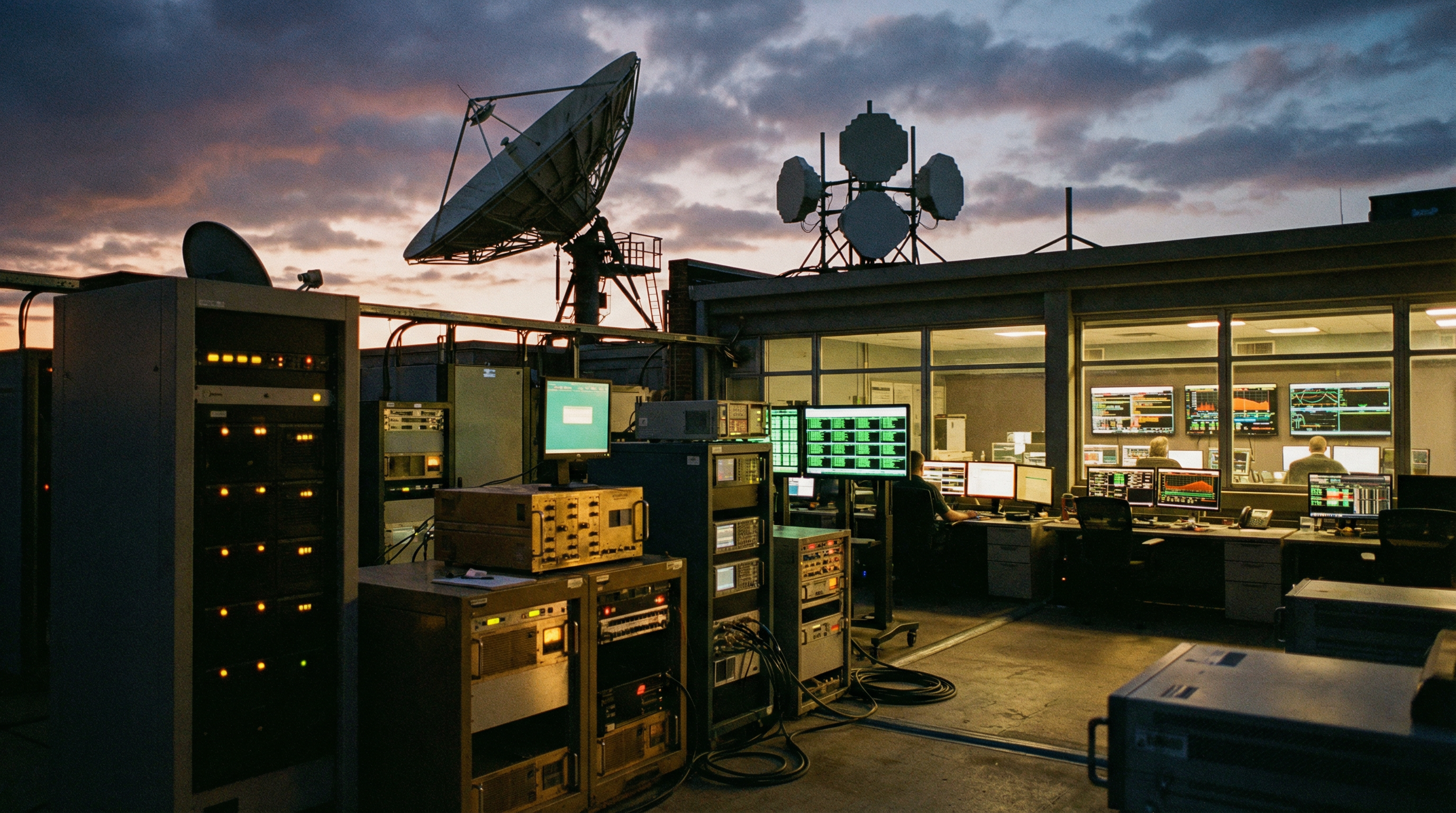
Mergers in SATCOM and telecom create one brand but fifteen separate operational views. Intelligence integration, not system consolidation, is the path to capturing merger value faster.
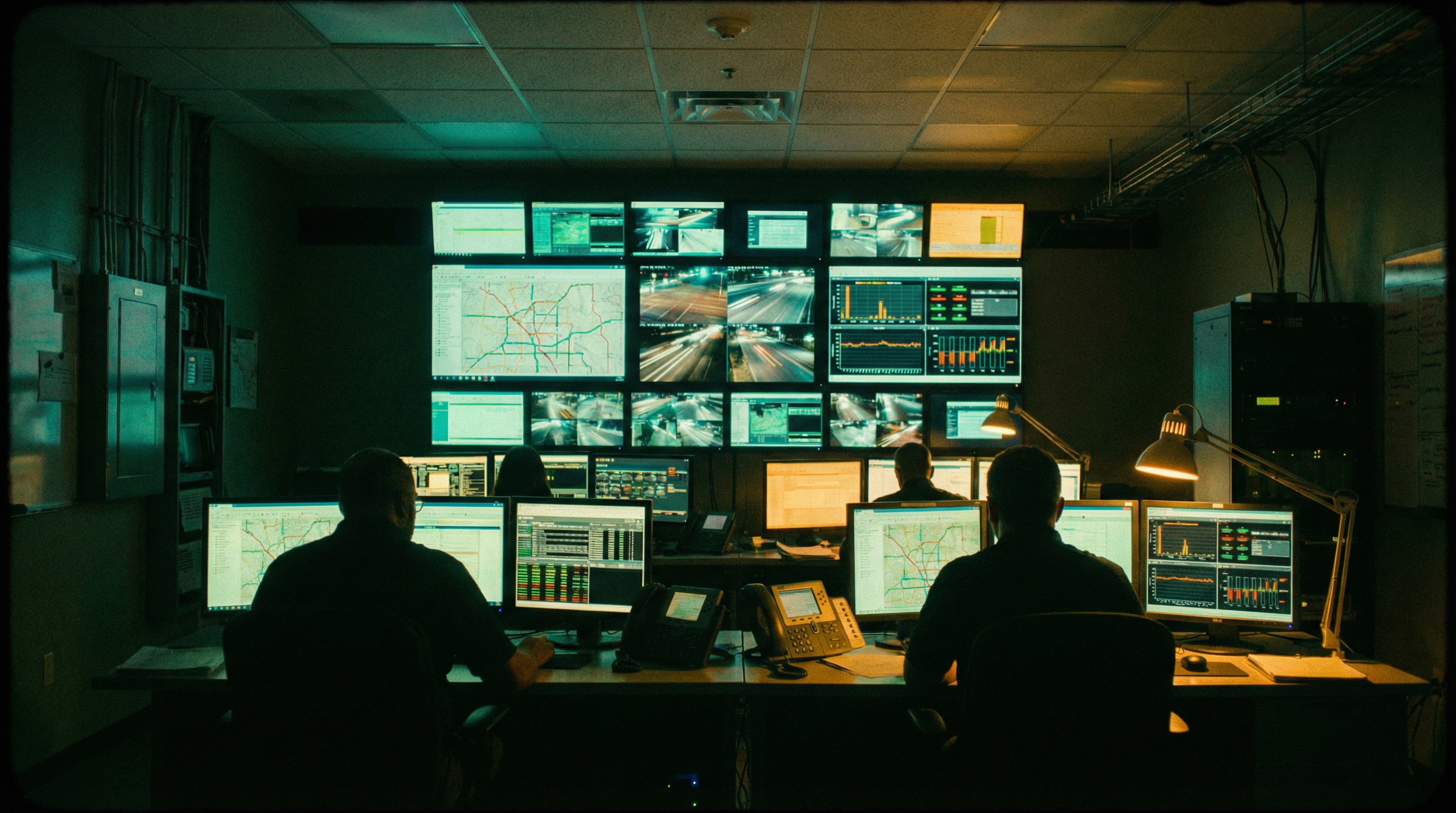
311 systems are intake tools that capture citizen reports but don't connect them to the operational systems that need to act. The gap isn't in any one agency's capability. It's in the space between agencies.
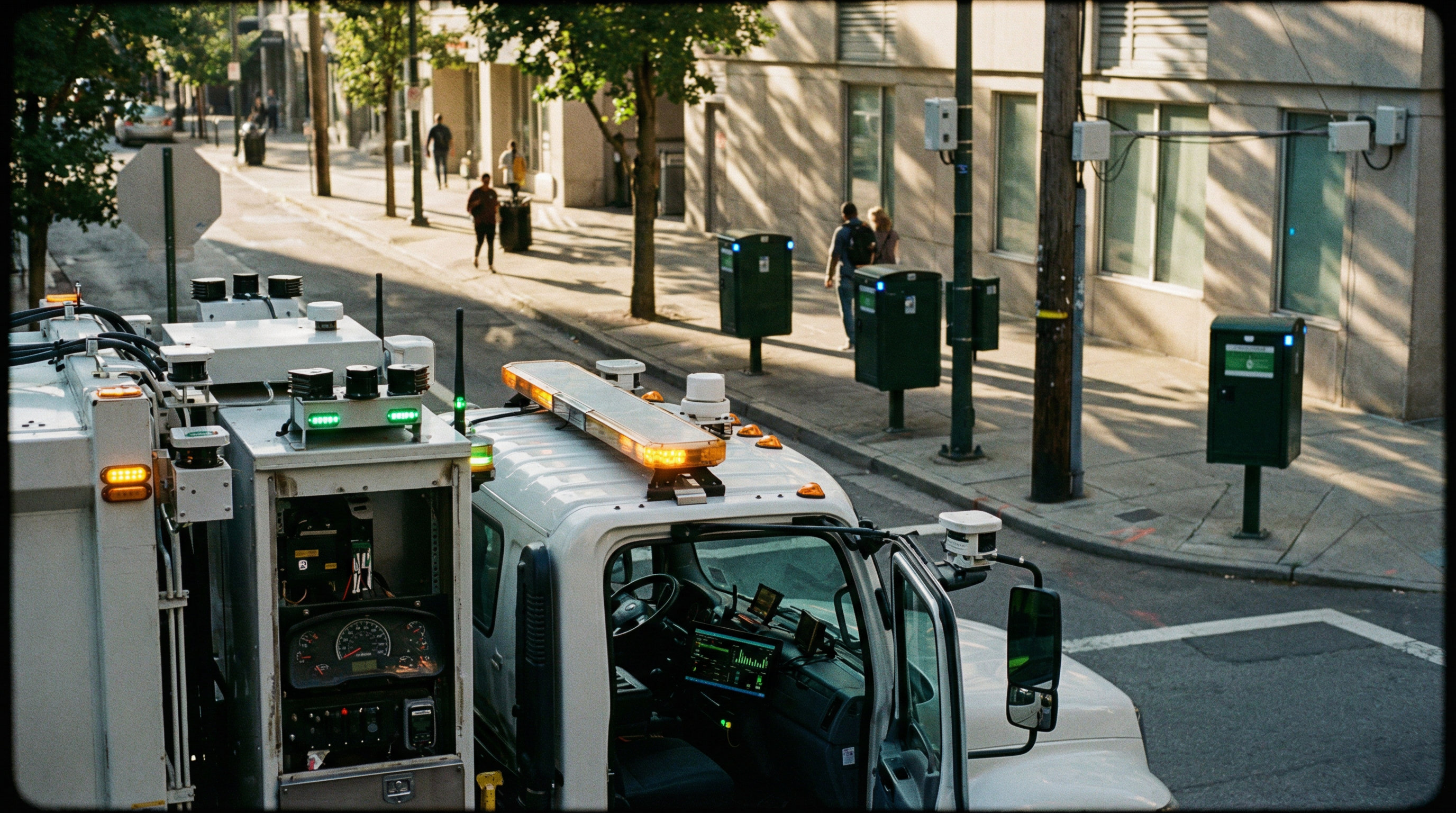
Cities invested in sensors, tracking systems, and optimization software — but they remain disconnected islands. The real cost isn't the technology gap. It's the intelligence gap between systems that could talk to each other.
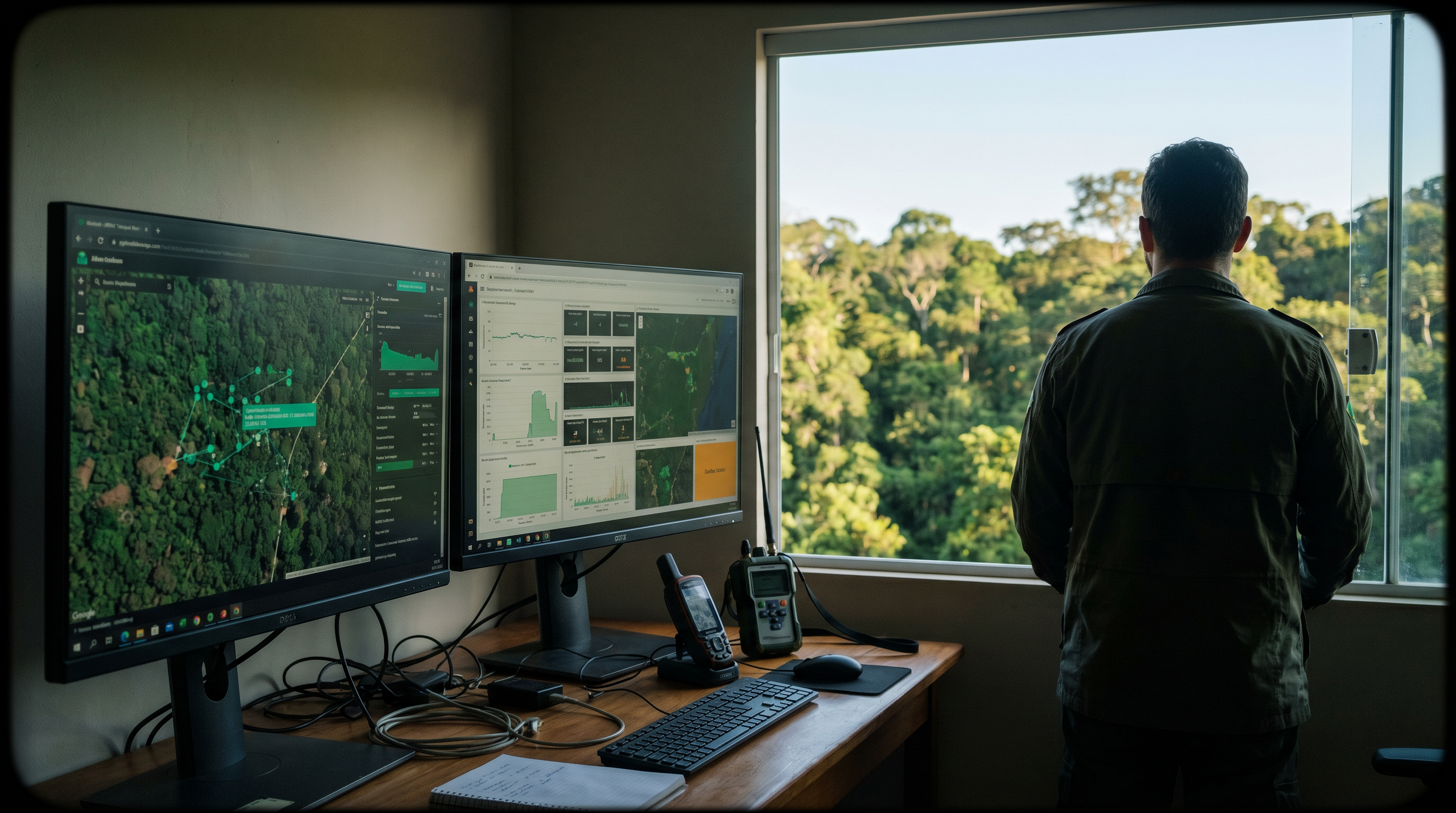
Protected area agencies have invested in vessel tracking, satellite imagery, field patrols, and sensor networks — each generating data in isolation. The result is more monitoring but not more awareness. The structural gap isn't in any single tool. It's in the space between them.
The data that predicts crises exists in separate systems across education, health, and social services. When connected, it reveals vulnerability before crisis—without surveillance.
A child tracked by the health system at age two disappears from every government database by age eight. The data to find them exists across education, social services, and civil registry systems — but no agency can query across the boundaries. The gap isn't missing data. It's missing connection.
Start with the outcome that matters. We connect the systems. Your team works from the model.
Talk to Our Team