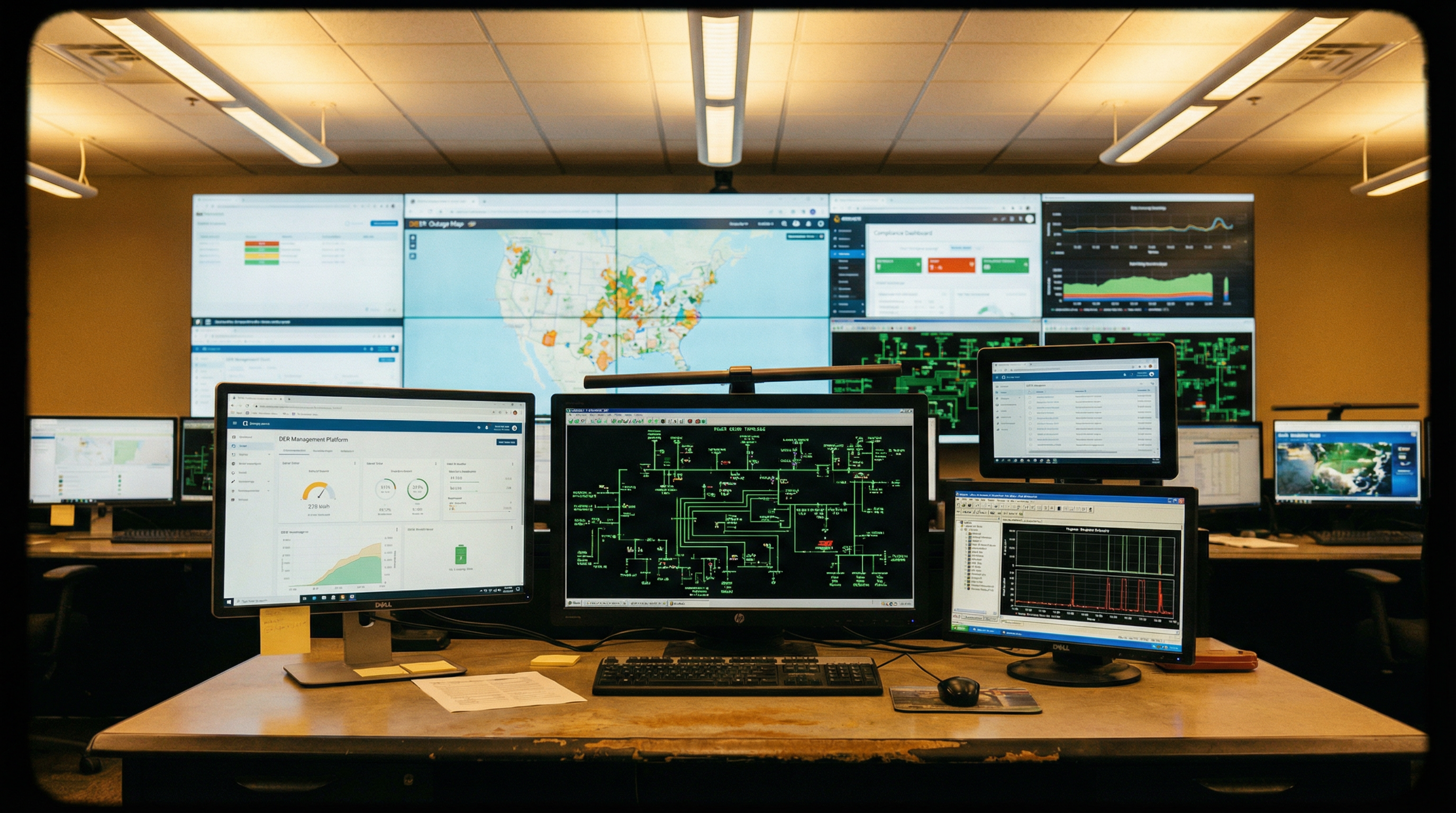
Grid Modernization Without Rip-and-Replace: An Integrator's Approach
Legacy SCADA systems represent decades of institutional knowledge embedded in control logic. The modernization path that preserves that knowledge (while adding intelligence) looks very different from rip-and-replace.
The Rip-and-Replace Trap
Grid operators face a storm of compliance mandates, DER integration requirements, and cybersecurity pressure. The response from traditional vendors is predictable: your legacy SCADA is a liability. Replace it with our modern system. Migration complete. Problem solved.
The pitch is clean. The reality is not.
A SCADA system running for twenty years isn’t just outdated software. It’s a repository of institutional knowledge. The thresholds that trigger alarm responses have been tuned for your specific grid topology. The sequence of logic gates in your control routines reflects decades of operational learning. The calibration points embedded in sensor integrations account for the peculiarities of your equipment. That’s not technical debt. That’s irreplaceable operational expertise.
Rip-and-replace means starting from zero on all of it. You move to a new system, and suddenly you’re relearning what your operators already know. You’re recalibrating sensors. You’re re-tuning control logic. You’re documenting the reasoning that was previously just institutional memory. The vendor sells this as a fresh start. Your ops team experiences it as a restart button on their expertise.
The time cost is brutal. The risk is immense. And you still don’t solve the underlying problem: your new system is a black box until it isn’t, and by then you’ve already migrated your most critical operations into it.
The Integration Alternative
There’s a different path. One that asks a harder question: what if you didn’t replace the legacy system at all?
An integration approach reads from your existing SCADA infrastructure (ABB, Siemens, GE, Schneider, or others) without modifying control paths. It speaks the protocols your grid already speaks. DNP3. IEC 61850. OPC-UA. MQTT. The legacy system continues to do exactly what it was designed to do. It keeps doing it well. It keeps doing it with all the institutional knowledge embedded in its logic.
The intelligence layer sits alongside it, not beneath it. It correlates signals across systems. It detects patterns that individual SCADA nodes were never designed to see. It feeds predictive maintenance alerts to operators before equipment fails. It can recommend or execute governed autonomous actions, with the human operator always in control. Most importantly, it does all of this without asking your legacy system to be something it was never built to be.
Your existing infrastructure becomes an asset rather than a liability. Your operational expertise stays intact. Your risk profile shrinks because you’re not performing experimental surgery on critical systems.
DER as the Proving Ground
The pressure point that makes this approach necessary is also the place where it proves its value: distributed energy resources.
Every new solar installation, battery system, and EV charger integration adds endpoints. These endpoints speak protocols (SunSpec, OCPP, IEEE 2030.5) that legacy SCADA systems predate. Your current infrastructure has no native way to understand them. So you build a parallel monitoring system. DER data flows into one universe. SCADA data flows into another. Operators have two dashboards. Two mental models. Two sources of truth.
The integration approach collapses that complexity. DER endpoints, legacy SCADA nodes, and modern networked devices all become visible through a unified operational model. One set of dashboards. One source of truth. You can onboard a new solar array or EV charger in weeks, not quarters, because you’re not rebuilding your entire control architecture to accommodate it.
The legacy system doesn’t suddenly understand SunSpec. But the intelligence layer does. And it translates that understanding back into actions and signals the legacy system can act on.
What Operators Actually Get
The tangible outcomes matter more than the architecture.
Unified visibility across legacy and modern systems deployed in weeks instead of years. That’s not a small thing in an industry where visibility gaps often mean reactive maintenance instead of predictive maintenance.
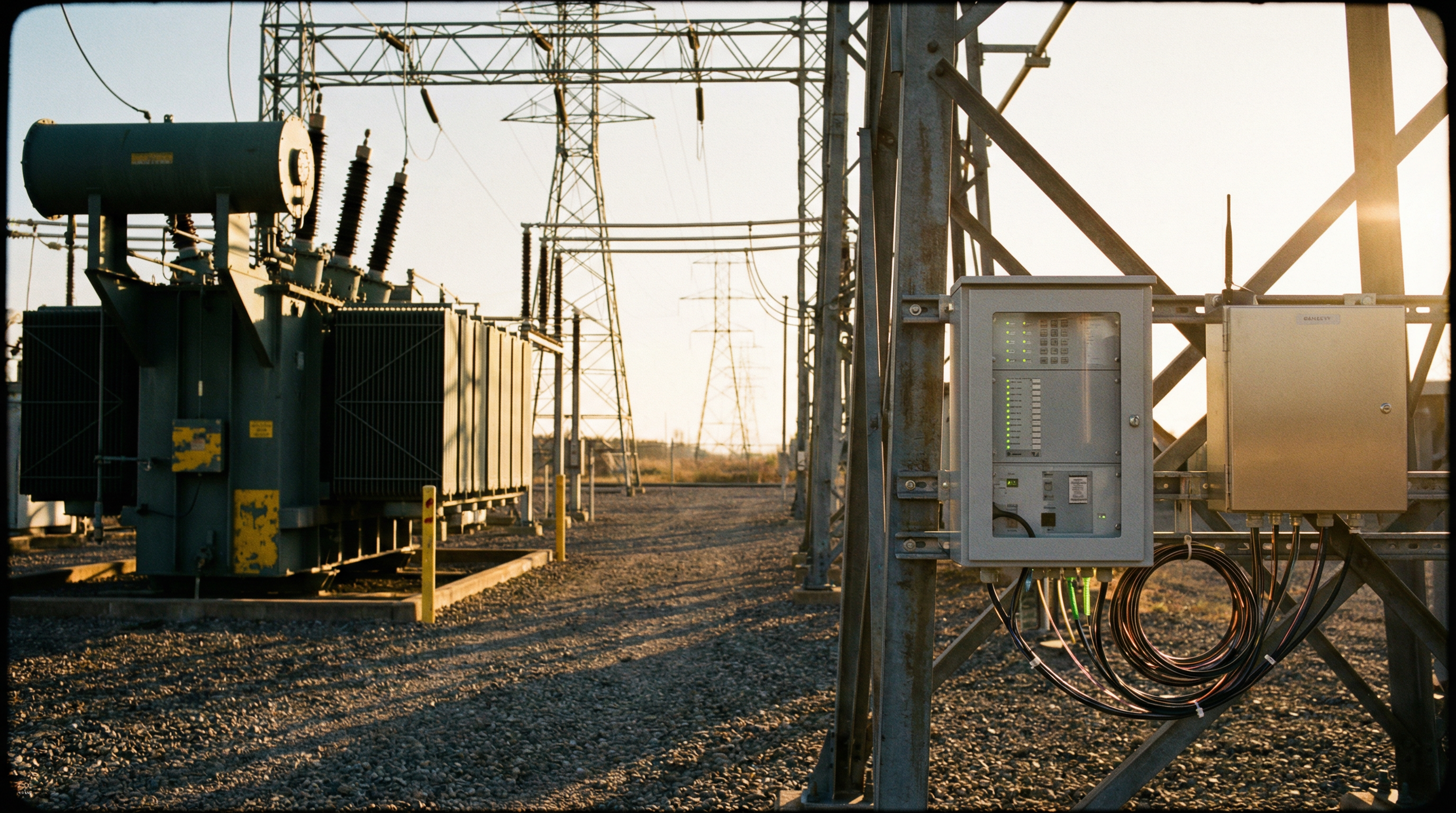
Predictive intelligence on equipment that’s been running blind. Your transformer has been operating since 2003. No one has been monitoring its thermal stress trajectory until now. Suddenly you can. You can predict degradation. You can schedule maintenance during a planned window instead of waiting for catastrophic failure.
Compliance automation that reduces manual documentation burdens. NERC CIP audits require traceability. An integration approach can generate audit logs, compliance reports, and change documentation automatically, replacing spreadsheets and memory.
And beneath all of it: the institutional knowledge embedded in your existing systems stays intact. Your operators keep the operational model they understand. The system they’ve spent years mastering doesn’t disappear. It gets smarter alongside them.
The modernization path that matters isn’t the one that discards the past. It’s the one that builds on it.