After the Spill: Why Pipeline Environmental Intelligence Is Infrastructure, Not Insurance
When a pipeline ruptures, the damage spreads faster than the detection. The March 2025 SOTE rupture in Ecuador contaminated 80+ kilometers of waterways and affected 113,000 people, weeks after inspection reports had flagged the exact vulnerabilities. The question isn't whether monitoring technology exists. It's whether the operational architecture connects monitoring to action before the spill happens.

The Event That Shouldn’t Have Been a Surprise
In March 2025, the Trans-Ecuadorian Pipeline System (SOTE) ruptured. 25,116 barrels of crude oil entered the environment. Over 80 kilometers of waterways were contaminated. 113,000 people were directly affected, communities that depend on those watersheds for drinking water, agriculture, and livelihoods.
The rupture was catastrophic, but it was not unpredictable. Inspection reports had identified the exact vulnerabilities in the affected pipeline segments. Recommended repairs had been documented. The infrastructure was known to be aging, with segments installed decades ago operating under stress conditions that exceeded their original design parameters.
The monitoring data existed. The inspection findings existed. The recommended maintenance actions existed. What didn’t exist was an operational architecture that connected those signals into a decision, a system that could say, with urgency and specificity: this segment, under these conditions, with this inspection history, needs intervention now.
That gap (between data and governed action) is the structural condition that pipeline environmental intelligence addresses.
The Monitoring Paradox: More Sensors, Same Blind Spots
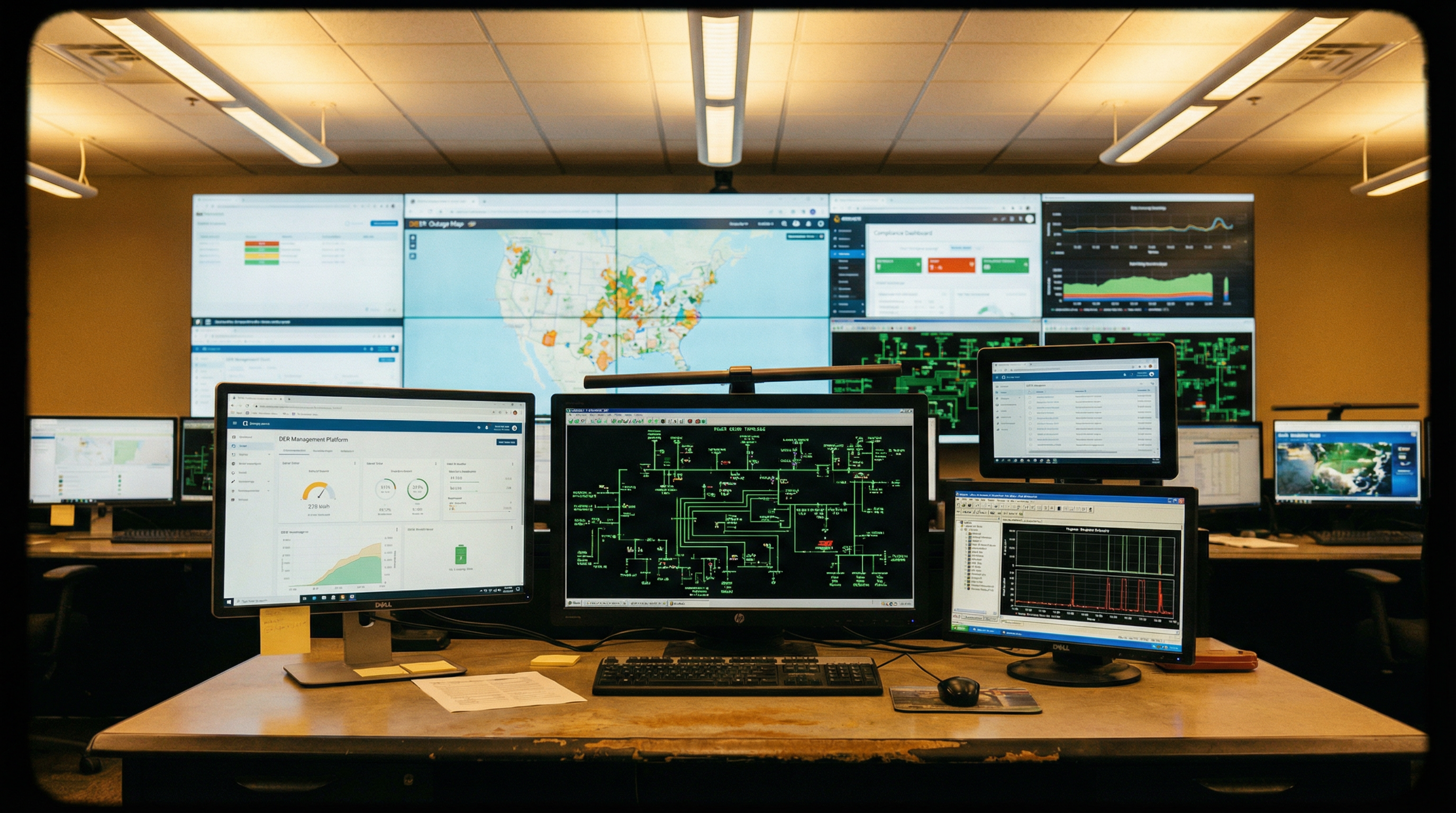
Modern pipeline operations generate enormous volumes of data. SCADA systems stream real-time pressure and flow readings. Inline inspection tools produce terabytes of structural data during each run. Cathodic protection systems monitor corrosion trends. Leak detection systems listen for acoustic signatures. Emissions monitors track methane releases. Aerial surveys and satellite imagery provide visual context.
Each system works. Each generates valuable data. The problem is that each system works alone.
A corrosion trend visible in cathodic protection data doesn’t automatically trigger a reassessment in the integrity management system. A pressure anomaly doesn’t auto-correlate with recent inline inspection findings. Emissions rates don’t connect to the equipment-level operational conditions that explain them. The connections between these data streams (the correlations that would reveal compound risk) are made by people manually reviewing separate systems on separate schedules.
Adding more sensors to this architecture doesn’t solve the problem. It makes it worse. More data streams, each operating independently, increase the cognitive load on operators without improving the quality of decisions. The monitoring paradox: more measurement, but no more understanding.
What Changes When the Data Connects
Pipeline environmental intelligence isn’t a new sensor technology. It’s an integration architecture, a reasoning layer that sits on top of existing monitoring systems and treats their combined output as one operational model.
When you can correlate real-time pressure trends with pipe segment geometry from inline inspection data, with cathodic protection readings, with soil conditions and coating integrity, with operational load profiles and seasonal stress patterns, then the compound risk picture emerges. Not three independent alarms. One diagnosis.
When emissions monitoring connects to the equipment-level operational context (compressor load, ambient temperature, product composition, recent maintenance actions), then an emissions spike isn’t an unexplained anomaly. It’s an attributed event with a probable cause and a response pathway.
When leak detection data correlates with integrity history, environmental sensitivity maps, and downstream community impact zones, the response isn’t generic. It’s specific: this segment, this severity, these downstream receptors, this crew, this equipment, this response protocol.
The shift isn’t from manual to automated. It’s from fragmented to connected. The operators still make the decisions. The intelligence model gives them the compound picture that fragmented systems never could.
The Environmental Dimension: Why This Isn’t Just an Operations Problem
Pipeline operations have historically framed integrity management as an operational and safety concern. It is. But the environmental dimension is increasingly the driver, both in regulatory pressure and in the actual consequences of failure.
EPA methane rules now require continuous emissions monitoring at compressor stations with equipment-level attribution. PHMSA pipeline safety mandates require real-time leak detection with documented response protocols. ESG disclosure requirements under CSRD, SEC, and IFRS S1/S2 demand Scope 1 and 2 emissions data that auditors can verify against operational records.
These aren’t separate compliance obligations served by separate programs. They’re three views of the same underlying operational reality: what’s happening in the pipeline, what’s escaping into the environment, and can you prove what you know and when you knew it.
The operator who connects these compliance streams to a single operational data layer (pipeline integrity data, emissions monitoring, and ESG reporting fed from the same governed source) eliminates the reconciliation problem that consumes compliance teams. One data source. Three compliance outputs. Each auditable back to the sensor reading.
The Conservation Case: Intelligence as Infrastructure
In regions where pipeline infrastructure intersects with ecologically sensitive areas (watersheds, protected forests, indigenous territories, marine reserves) environmental monitoring isn’t a corporate responsibility initiative. It’s infrastructure. As essential as the pipeline itself.
When a government ministry charged with environmental oversight is restructured or dissolved (as happened in Ecuador in July 2025 when MAATE was folded into the Ministry of Energy and Mines), the need for independent, verifiable environmental monitoring increases. Multinational operators, development banks funding infrastructure projects, conservation organizations, and the communities living downstream all need environmental data that doesn’t depend on any single institution.
Operational intelligence that monitors continuously, attributes emissions to specific equipment and time periods, detects leaks in minutes rather than days, and generates evidence packages with complete chain-of-custody, that’s not insurance purchased after something goes wrong. It’s infrastructure that prevents the event and proves the prevention.
The IDB, World Bank, and CAF have committed over $2.2 billion to Ecuador’s 2025-2026 development package, with specific funding for climate mitigation and renewable energy. That money needs monitoring infrastructure to justify expenditure and verify outcomes. The monitoring technology exists. The operational architecture to connect it needs to be built.
The Question for Operators
Every midstream operator managing pipeline infrastructure faces the same structural choice. Continue operating with fragmented monitoring systems (SCADA in one silo, integrity management in another, emissions monitoring in a third, compliance reporting assembled manually for each audit) or connect them.
The operators who connect their data first gain a compounding advantage. Each new data stream makes every existing stream more valuable. Pressure data gains context from integrity history. Integrity findings gain urgency from real-time operational conditions. Emissions data gains attribution from equipment-level operational profiles. The cost of waiting isn’t static. It grows as the intelligence density gap widens.
Pipeline environmental intelligence isn’t a product category. It’s an architectural decision: treat pipeline integrity, emissions monitoring, and environmental compliance as one interconnected operational model, or continue managing them as separate programs with separate data, separate teams, and separate audit trails.
The SOTE rupture showed what happens when the data exists but the architecture to act on it doesn’t. The question isn’t whether to build that architecture. It’s how quickly.