The 311 Problem Nobody Talks About: Why Cross-Agency Response Breaks at the Point of Need
311 systems are intake tools that capture citizen reports but don't connect them to the operational systems that need to act. The gap isn't in any one agency's capability. It's in the space between agencies.
The Moment the System Breaks
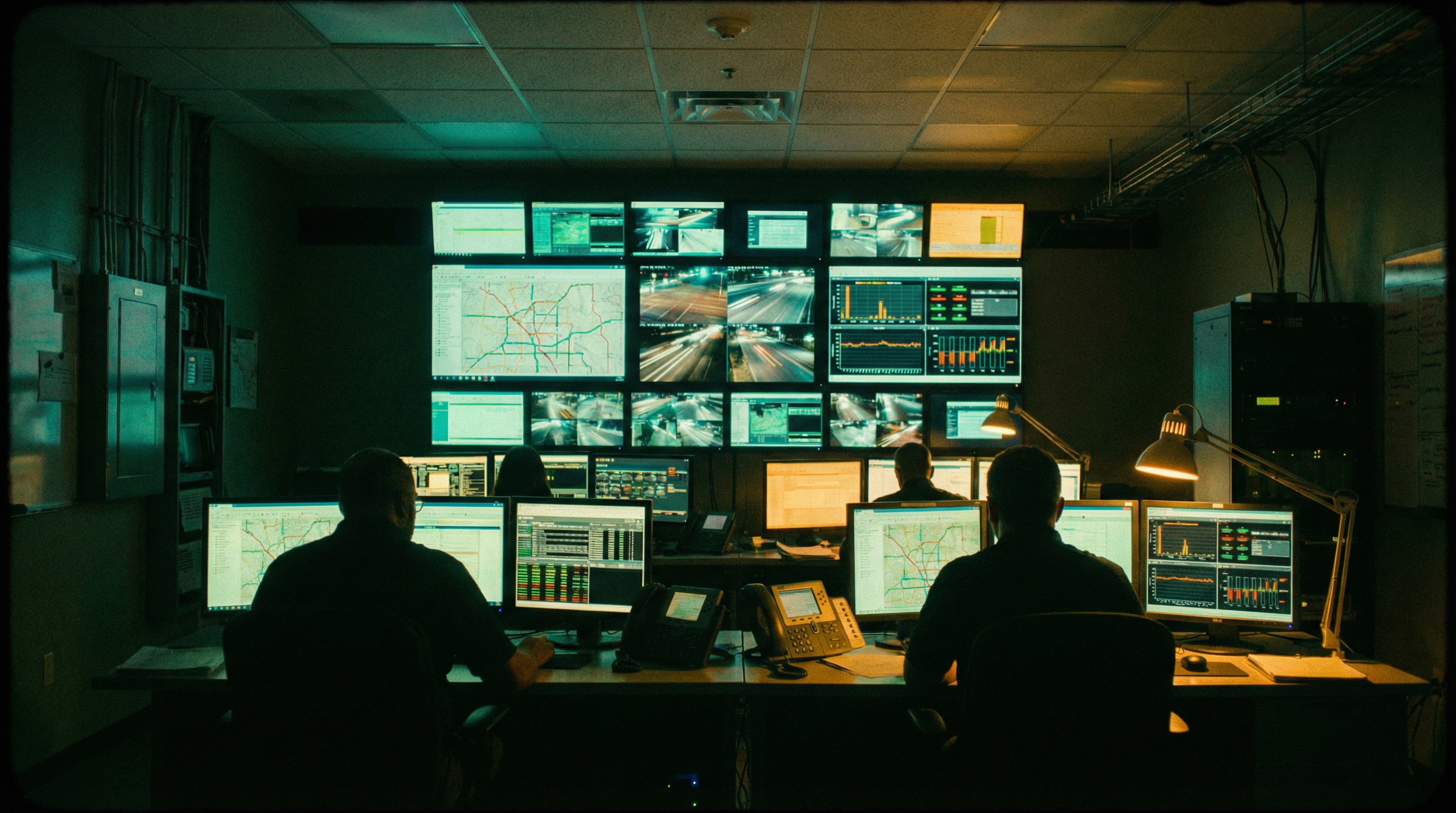
A citizen calls 311 about water flooding an intersection. The water is pooling under traffic lights, creating a hazard. The call reaches public works dispatch. A ticket is created. Logged. Queued. But here’s where the system breaks.
Traffic management doesn’t know the intersection is flooded. They’re running normal signal timing on a street that shouldn’t have traffic. Emergency services don’t know. A school two blocks away doesn’t know. The utility company that owns the water main doesn’t know. The city planner tracking infrastructure failures doesn’t know.
By the time public works arrives to assess the call, fifteen minutes have passed. Traffic has backed up. A citizen has called 911 about the water. The utility company is responding to a separate system ticket that was automatically generated, but they’re responding to coordinates, not context. Everyone is acting on incomplete information.
This is the 311 problem that nobody talks about. It’s not a complaint intake problem. It’s an intelligence distribution problem.
The Structural Condition
311 systems serve a critical function: they democratize the city’s visibility. Anyone can report a problem. Anyone can raise a voice. The system captures that voice and creates a record.
But 311 stops there. It’s an intake tool, not an intelligence tool. It captures complaints. It does not distribute understanding.
Each agency that receives a 311 ticket has its own dispatch system, its own priority queue, its own situational awareness. When a pothole is reported, public works sees a road maintenance issue. They don’t see what traffic management knows: that pothole is on a school route. They don’t see what infrastructure planning knows: ground movement in that area has been trending upward for three months. They don’t see what water utilities know: there’s a water main three feet under that pothole.
The coordination that needs to happen between these agencies happens on phone calls, not data. A supervisor has to manually connect dots. A manager has to remember to call the other agency. Institutional knowledge (who to call about what) becomes the substitute for actual intelligence.
When the system has to rely on human memory and phone calls to be intelligent, it fails at scale. In a city with tens of thousands of 311 calls per year, critical correlations are invisible. Patterns that predict bigger problems go unnoticed. Opportunities to be proactive instead of reactive remain undiscovered.
The Data Exists. The Connection Doesn’t.
311 systems are sitting on arguably the most valuable intelligence asset most cities own. It’s free, continuous, geospatially tagged, and directly represents citizen experience.
A cluster of pothole reports in a particular neighborhood might look like random road decay to the public works department. But when that pothole cluster connects to water utility data, it becomes a prediction: water main is failing. When it connects to traffic data, it becomes context: that street carries school buses. When it connects to the timeline of past infrastructure repairs, it becomes a signal: this area has been under-maintained for five years.
A pattern of noise complaints around a construction site might be routine to code enforcement. But when that pattern connects to permit data, it becomes a violation: the permit says work stops at 6pm, but complaints cluster at 7pm. When it connects to neighborhood health data, it becomes something else: the complaints are concentrated around a senior living facility.
A streetlight outage report is a maintenance issue. But when that report connects to crime incident data from the previous three months, it becomes a prevention opportunity: streetlight outages in this neighborhood precede a 23% spike in theft within two weeks.
These patterns are discoverable in the data. They’re being measured, recorded, and stored. They just stay trapped in separate systems. The pothole data doesn’t flow to the water utility. The noise complaint data doesn’t flow to code enforcement in real time. The streetlight outage data doesn’t connect to public safety planning.
Why Cross-Agency Coordination Breaks
The structural reason cross-agency response fails isn’t that agencies don’t want to cooperate. It’s that the system architecture doesn’t support flowing knowledge from one agency to another at operational speed.
A 311 call comes in. Public works gets a ticket. The ticket sits in a queue. The queue eventually gets routed to a crew. The crew schedules a visit. The visit might happen tomorrow, or next week, or after weather clears. By the time the issue is assessed and logged, the agency that needed real-time knowledge has already made decisions based on incomplete information.
Traffic management needs to know about the flooded intersection now, not after an assessment. Emergency services needs to know about the water main rupture now. The school needs to know about the hazard now. But the system is optimized for sequential handling, not parallel intelligence distribution.
The deeper issue: there’s no mechanism for a citizen’s report in one department’s system to automatically become actionable intelligence in another department’s operational reality. The data doesn’t flow. The systems don’t talk. The agencies have to invent a coordination mechanism on top of the existing tools, and that mechanism is a phone call.
What’s Changing
Progressive cities are beginning to treat 311 data as a signal layer, not as a queue of individual tickets, but as a continuous stream of information about how the city is functioning. The shift is subtle but structural: from “311 is a complaint management system” to “311 is municipal perception data.”
When that happens, the intelligence implications cascade. A 311 report becomes a signal that flows to the system that can act on it immediately. A pothole report doesn’t stay isolated in a road maintenance queue; it becomes a data point that triggers assessment in the water utility system. A noise complaint doesn’t just generate a code enforcement ticket; it feeds a pattern recognition system that looks for violations and correlations.
This doesn’t require replacing 311 systems. It requires connecting them. 311 can continue to be the intake mechanism. But the data needs to flow out to the operational systems that need it, in real time, connected to the context those systems need to act intelligently.
A water main break flooding an intersection becomes a multi-agency alert: traffic gets rerouted, emergency services is notified, the school district knows about the hazard, utilities management is mobilized with full context. Not through a phone tree. Through intelligence that moves as fast as the system can distribute it.
The Compounding Value
When 311 data connects properly to cross-agency operations, something structural changes. The city stops being a collection of isolated functional silos and starts being an integrated operational system.
Pothole reports connected to infrastructure data become predictive maintenance: you know where the next failure is coming. Noise complaints connected to permit data become compliance automation: you know which contractors are actually violating their permits. Streetlight outages connected to public safety data become prevention: you position resources before crime spikes occur.
The citizen experience changes too. A report isn’t a complaint that disappears into a system. It’s a signal that the city operationalizes. The citizen can see the correlation between their report and the action taken. Trust isn’t earned through responsiveness alone; it’s earned through visible intelligence: “Your report about that corner’s safety problems connected to traffic safety data. We’re now adjusting signal timing and scheduling additional lighting assessment.”
The Shift from Siloed to Coordinated Intelligence
The structural shift underway is this: cities are moving from systems that capture citizen reports to systems that operationalize citizen intelligence. The difference is invisible until you see it in operation. On the surface, both systems involve citizens calling 311. The difference is in what happens to that information next.
In a siloed system, the information stays siloed. In an intelligent system, it flows. It connects. It becomes actionable context for every agency that needs it.
This shift doesn’t require wholesale replacement of existing systems. It requires reimagining what 311 data means and building the connective tissue that lets that data inform every operational system that benefits from it.
The cities that make this shift first will be those that treat their 311 data as an asset worth connecting, not because it creates better complaint management, but because it creates genuine cross-agency operational intelligence.
This is what operational intelligence utilities are designed for: taking existing data from every corner of your organization (citizen reports, infrastructure monitoring, safety incidents, operational logs) and making it flow freely to the point of decision, across agency boundaries, at the speed operations need. No new platform. No new intake tool. Just intelligence that moves.
The 311 problem isn’t that citizens don’t report problems. It’s that the system doesn’t let those problems become intelligence that the whole city can act on.