Why Operational Intelligence Needs an Integrator, Not Another Platform
The market is full of platforms that promise operational intelligence. But critical infrastructure operators don't need another platform, they need someone who can connect the 15-30 systems they already run into one operational model.
The Platform Paradox
Every software vendor in the market tells the same story: buy our platform, and you’ll have a single pane of glass. One system to rule them all. One place to see everything that matters.
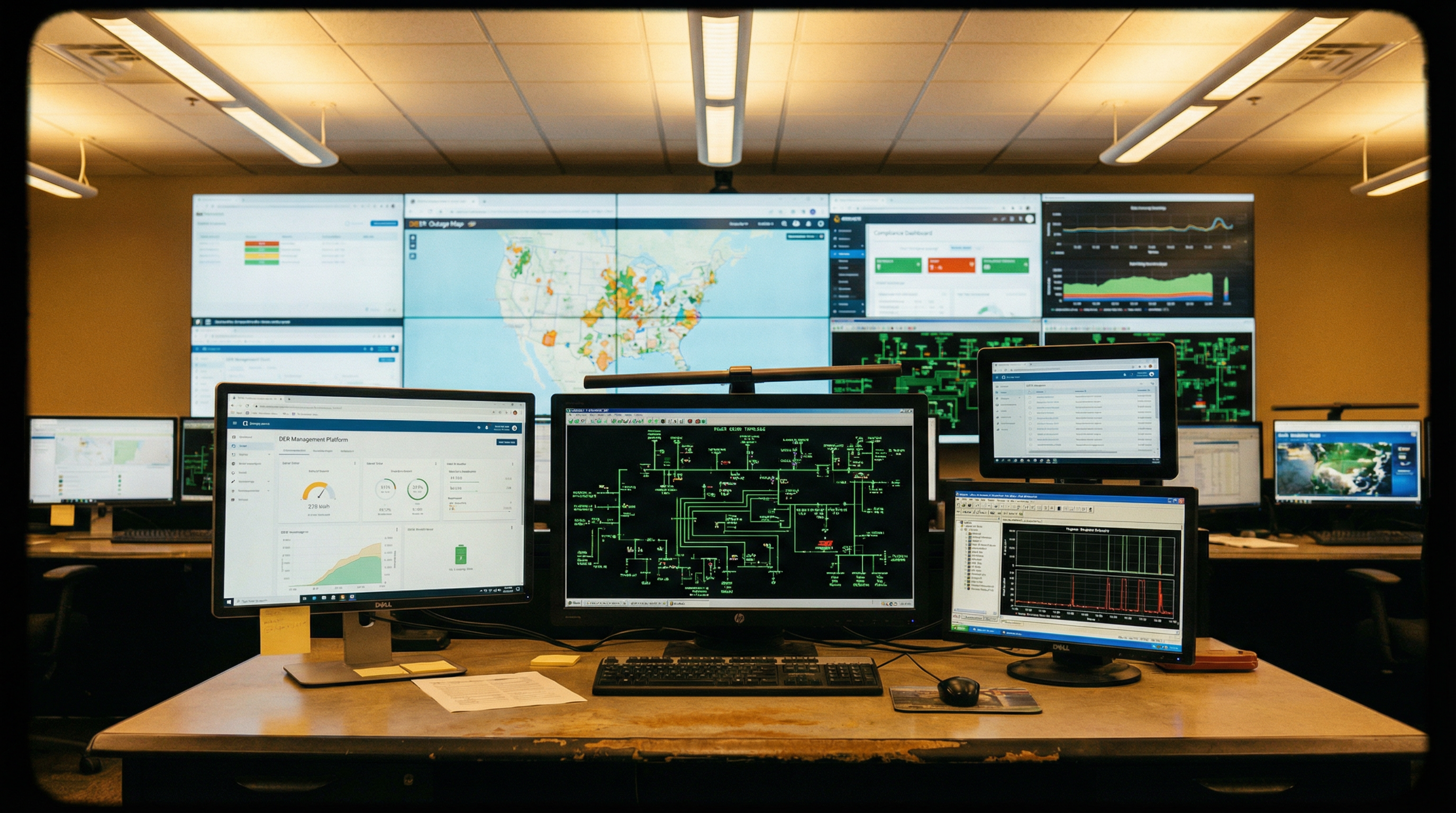
Critical infrastructure operators have heard this pitch before. Many have tried it. And most still run 15-30 different systems, SCADA networks, asset management tools, compliance dashboards, maintenance scheduling software, IoT sensor networks, billing systems, workforce management platforms. Each one exists because it solves a specific problem. Each one has stakeholders who depend on it.
When a new “platform” arrives promising to consolidate everything, operators face a real choice: do we rip out working infrastructure to integrate with a newcomer? Or do we add system number 31 to the pile, hoping this one is actually different?
The problem isn’t that operators lack a platform. The problem is that their systems don’t talk to each other. A new platform doesn’t solve that. It compounds it. Another silo. Another data source to maintain. Another integration headache.
What operators need is not a replacement. They need an integrator.
What an Integrator Does Differently
An integrator works with the infrastructure that exists. It connects what’s already there into a coherent operational model. And it does this across three dimensions that platforms typically don’t address together.
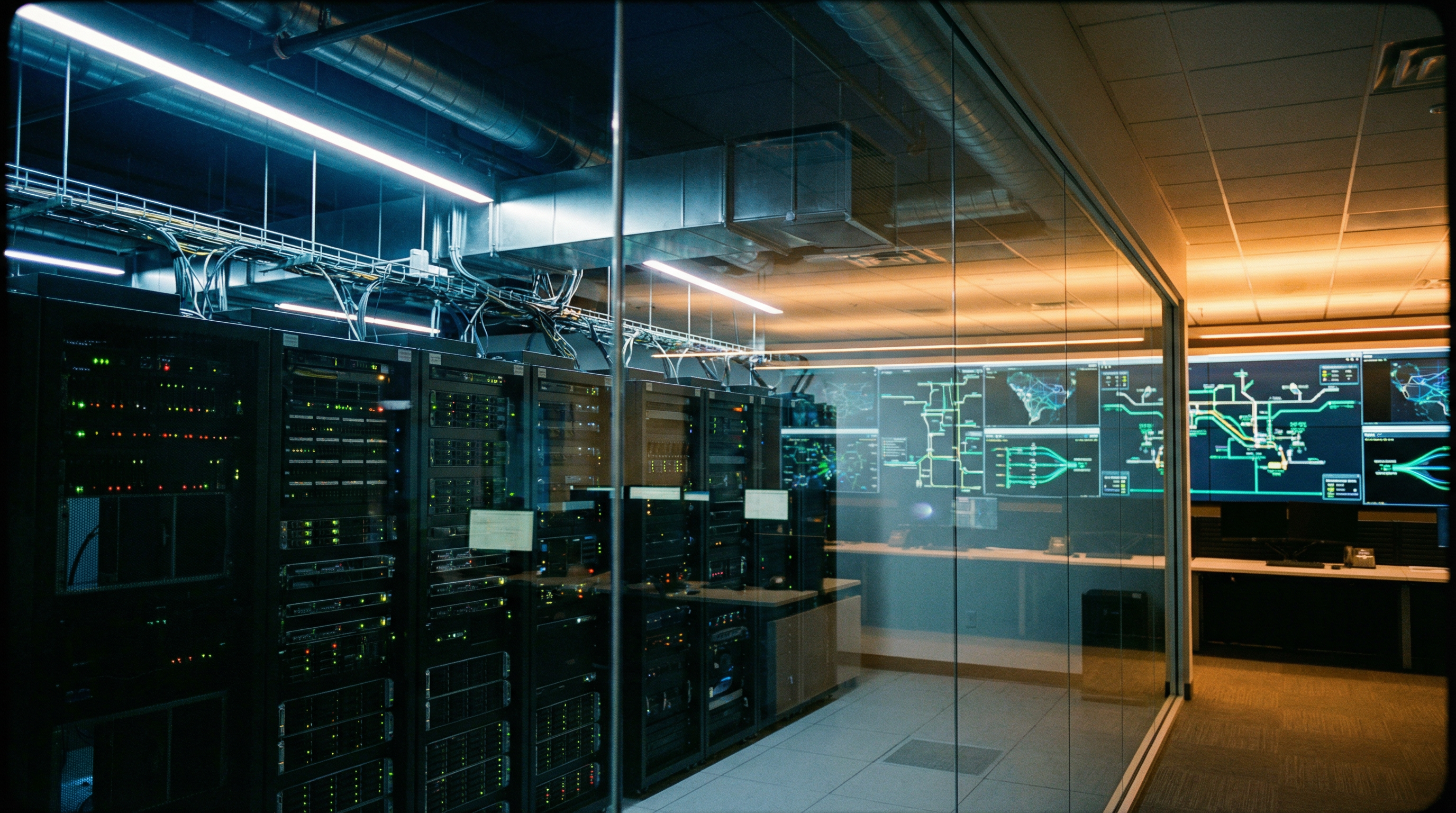
Hardware and connectivity. Critical infrastructure has blind spots, places where traditional networks don’t reach, where edge sensing is unreliable, where data collection has historically been manual. An integrator brings hardware into the model: IoT connectivity that works in challenging environments, sensors that fill gaps, edge compute that processes data where it’s generated. This isn’t a software feature. It’s physical architecture.
Software that correlates. Once data flows from the hardware, something has to make sense of it. Not just collect it. Correlate it. An integrator builds the intelligence layer that takes signals from 15 different systems and shows what they mean together. SCADA readings. Maintenance logs. Weather data. Supply chain status. Personnel schedules. When these correlate in real time, operators see problems before they become failures. That’s not a report. That’s intelligence.
People and workflows. The third dimension separates integrators from platforms. An integrator understands that intelligence lives in human workflows. In shift handoffs. In how a maintenance team decides whether to act on a sensor alert. In how compliance teams verify that controls are actually working. An integrator embeds domain expertise into the operational model itself. The system is shaped by how infrastructure actually works, not by what a software vendor thinks should work.
A platform provides one of these dimensions well. An integrator designs all three together.
Why This Matters for Partners
Regional integrators understand something that global software vendors often miss: the operator’s world is highly specific. Regulations vary by country. Supply chains differ by region. Relationships are local. The problems that matter in Mexico are not identical to problems in Africa or the Middle East.
What regional partners need is a foundation that lets them deliver intelligence without multi-year development cycles. They need a stack that respects what they know about their market while providing the architecture underneath.
The integrator model makes this possible. The partner leads the engagement. The partner owns the client relationship. The partner knows what success looks like because they work in that region, in that sector, with those constraints. What they need from an integrator is tools and architecture that don’t get in the way. Systems that connect to what the operator already has. Intelligence that surfaces through the workflows operators already use. A handoff that leaves the operator independent, not perpetually dependent on the partner’s technical team.
This is fundamentally different from the platform model, where the vendor controls the relationship and the partner becomes a sales channel. In the integrator model, the partner is the architect of the engagement.
The Ownership Principle
There is one principle that makes the entire model work: the client owns the intelligence model, the data, and the deployment. Not the integrator. Not the partner. The client.
This is not a detail. It is the defining feature of a sustainable engagement.
When a client owns their intelligence model, they can evolve it. When they own their data, they control what stays on premise and what flows to the cloud. When they own the deployment, they decide how the system integrates with their operations. The engagement has a clear beginning: a problem to solve. And a clear end: the client is equipped to run the system independently.
This is why integrators build to handoff. Why platforms build to lock in.
For operators, this matters because it means the engagement is about capability transfer, not vendor dependency. For partners, it matters because it means you’re building reputation and expertise, not just renewing licenses. For integrators, it matters because it creates the conditions for the next engagement, and the one after that.
The market will keep producing new platforms. But what the world’s critical infrastructure operators actually need is integration. Someone who understands the systems in place. Someone who can connect them. Someone who respects what the operator knows and transfers the intelligence model they build into the operator’s hands.
That’s an integrator.