The Economics of Watching: Why More Guards Never Meant Less Loss
For a century, protecting a remote operation meant paying for human presence — posts, patrols, people watching darkness. But presence is priced per person while loss follows the shape of the terrain, and a handful of posts can never cover kilometers of unlit perimeter. When the cost of detection collapsed and the cost of presence didn't, the economics of watching quietly inverted — and most security budgets haven't caught up.
The budget that watched the wrong places
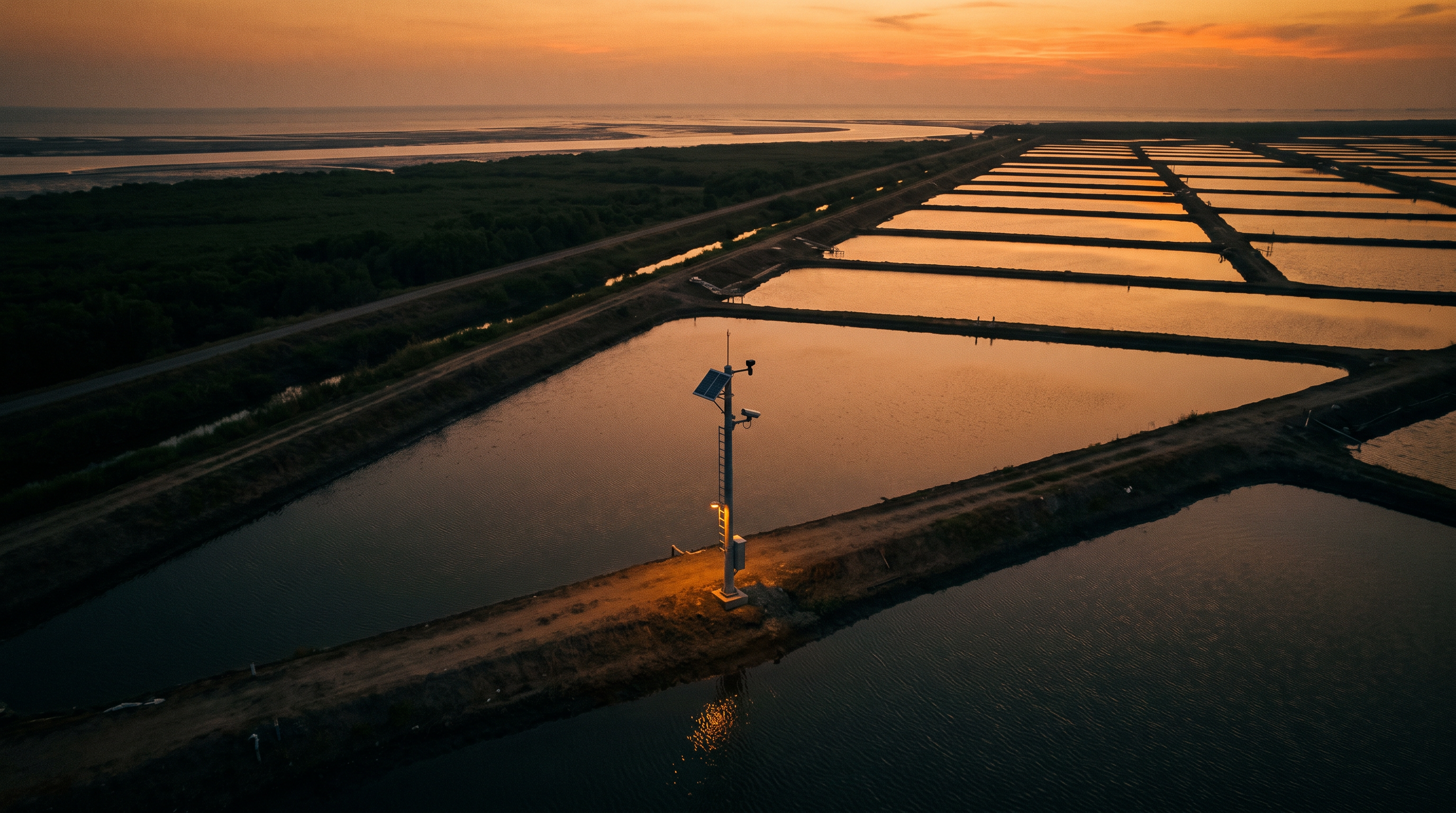
Consider a remote coastal operation — a farm, a fishery, a pumping station, any facility where the assets sit outdoors and the nearest police response is measured in tens of minutes. The operator does the responsible thing: hires a security contractor, staffs posts around the clock, pays a figure that lands among the largest line items in the operating budget. The losses continue anyway. After enough quarters of paying for protection and absorbing theft at the same time, the operator makes a decision that looks reckless from the outside and is entirely rational from the inside: they stop paying.
That decision deserves more respect than it usually gets. It is not a failure of nerve. It is an honest reading of the arithmetic. A round-the-clock staffed post costs tens of thousands of dollars a year in most markets — wages, relief coverage, supervision, liability. A serious security budget therefore buys a small number of fixed points of human attention. But loss does not concentrate at fixed points. It follows the geometry of the operation: the kilometers of unlit embankment, the water approach no post can see, the stretch of fence line that happens to sit between two sightlines. Presence is priced per person. Exposure is priced per kilometer. Those two curves were never going to meet.
There is a second cost that rarely appears in the contract. When intruders arrive armed, the person standing at the post is the first thing they encounter. The staffed model doesn’t just under-cover the perimeter — it places employees at the point of maximum danger, at night, alone. Operators who walk away from the guard model are often responding to that exposure as much as to the invoice.
What actually got cheap
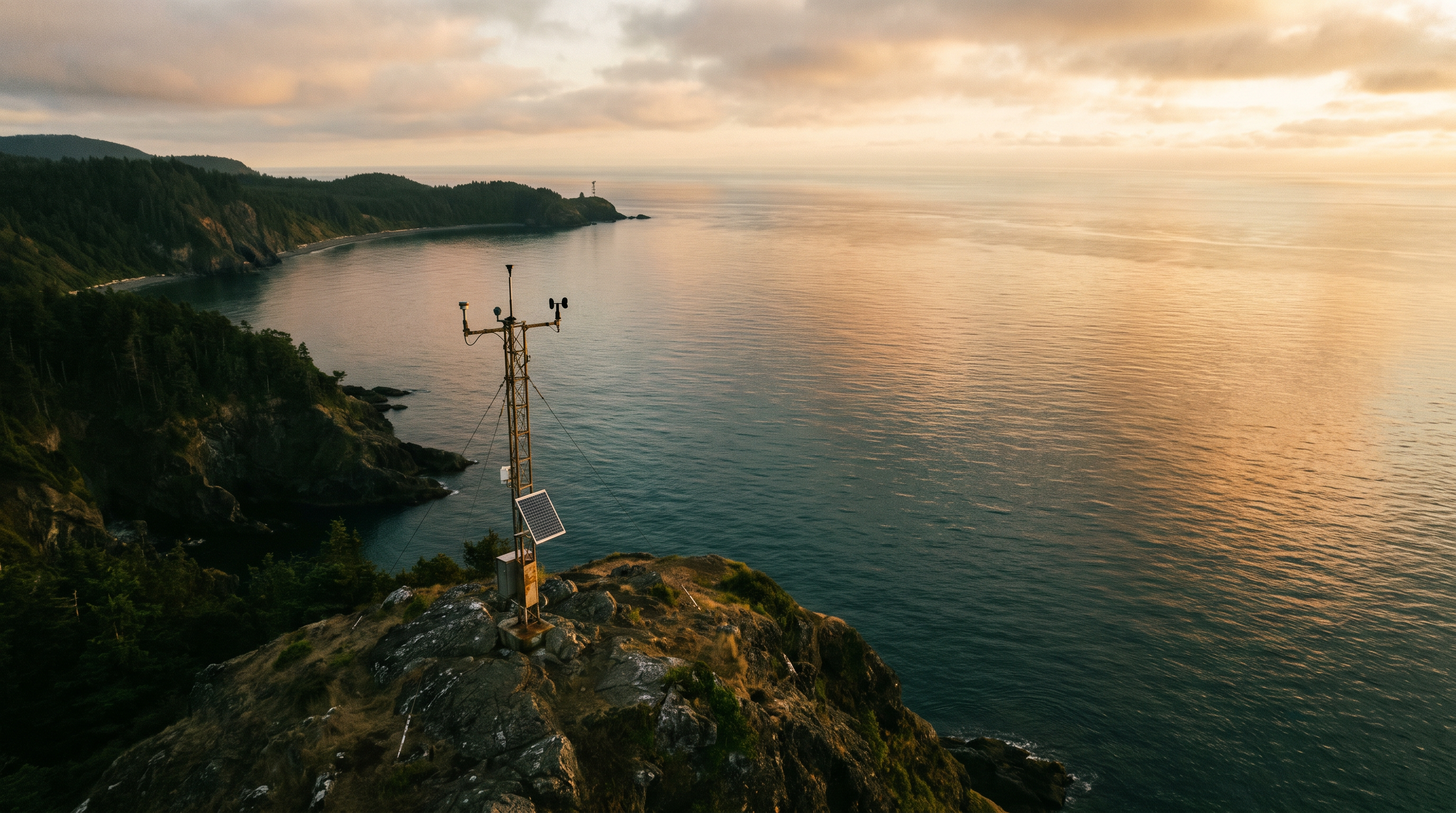
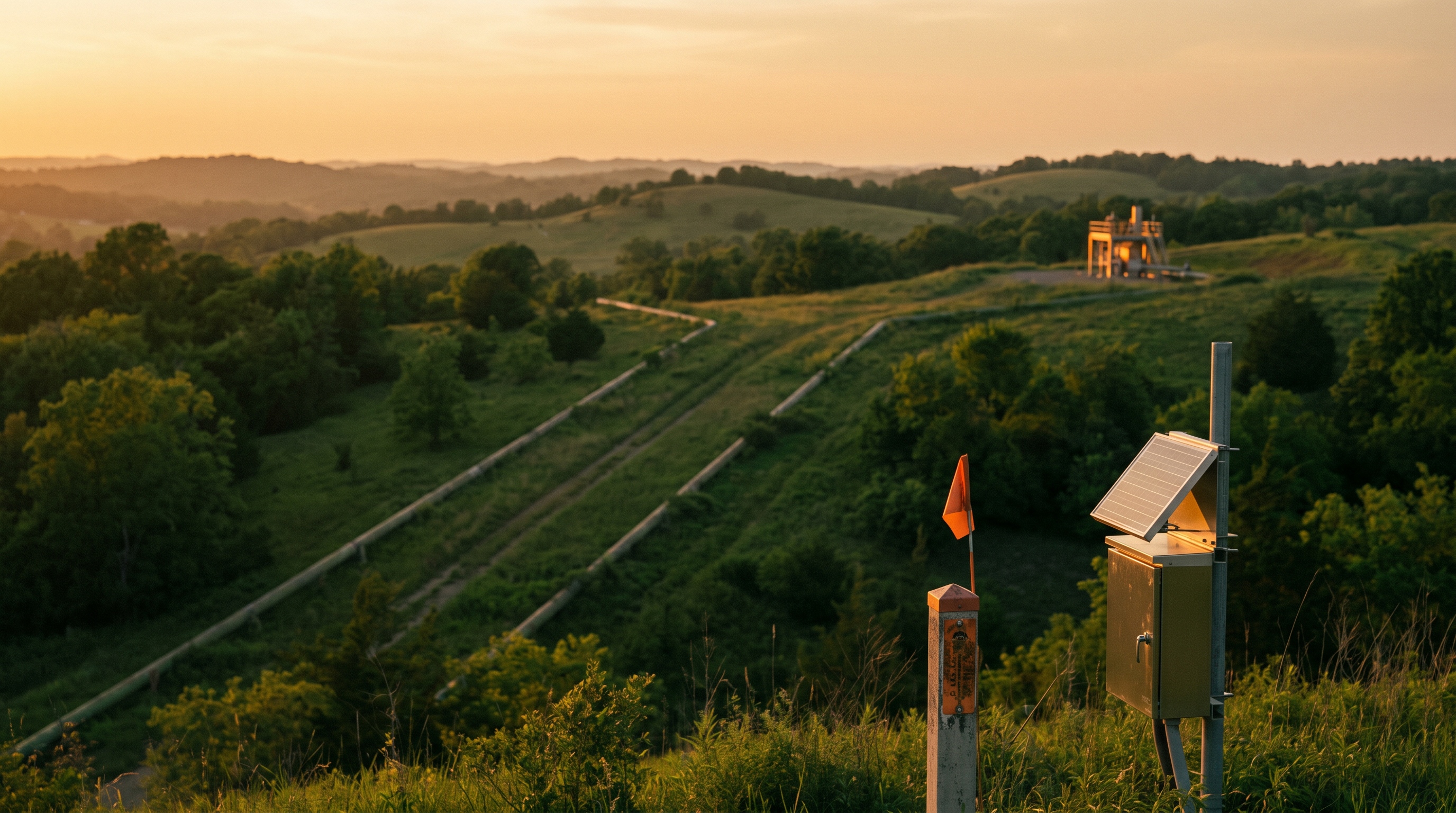
While the cost of a human standing in the dark held steady, the cost of seeing in the dark collapsed. A thermal camera that detects a person at several hundred meters in total darkness now costs about what two weeks of one staffed post costs. A compact radar can track a small boat across a water approach in any weather. Networked sensors report when a motor moves, when a gate opens, when something crosses a line it shouldn’t. Solar power and wireless backhaul mean none of this depends on trenching cable to the far edge of the property.
Individually, none of these devices replaces a person, and the operations that treat them as replacement — bolt cameras to poles, route alerts to somebody’s phone, hope — tend to relive a familiar disappointment. The feed nobody watches is the modern equivalent of the post nobody can see from. The devices solved detection. They did not solve attention.
This is the part of the inversion that matters. In the old model, attention was the product: you paid for hours of human watching, and watching was expensive precisely because humans were doing all of it — the scanning, the discriminating, the deciding, overwhelmingly directed at nothing. In the new model, machines do the scanning and the first pass of discrimination, and the human contribution narrows to the one thing machines shouldn’t own: judgment. One trained analyst, receiving only events that sensors have already detected and software has already verified, can hold the entire perimeter of an operation that once justified several posts — or several operations at once. The scarce, expensive human hour is spent on decisions instead of vigilance.
The number that decides whether it works
There is a single operational metric that determines whether this model is economical, and it is not camera count or detection range. It is the false-alarm rate.
Every unverified alert that reaches a human costs attention, and attention is the layer being economized. An installation that produces dozens of nuisance alerts a night — wildlife, weather, headlights — quietly rebuilds the old cost structure inside the new one: you end up paying people to watch noise, just through a different contract. The operations that make the inversion pay are the ones that treat alert quality as an engineering discipline. Classification tuned to distinguish a person from an animal. Zones drawn against the real approach routes. Sensor types layered so that what one modality misses, another confirms. Every reduction in false alerts translates directly into fewer human seats needed — which is another way of saying it translates directly into margin.
The same discipline extends to when the system pays attention. Risk at a remote site is rarely uniform: it moves with tides, moonlight, harvest schedules, paydays. A monitoring posture scheduled against those rhythms — intensive on the nights that history says matter, lighter when conditions make intrusion impractical — concentrates cost where risk concentrates. A guard contract cannot do this; the post costs the same on a bright, windless night as on the dark high tide the incident history points to. A real-time operational model can, because it holds the incident history, the environmental calendar, and the sensor state in one place.
Where judgment sits in the loop
The natural worry about automated response — the strobe that fires, the recorded warning that plays, the light that snaps on when a verified intrusion is confirmed — is that it removes people from decisions that ought to have an owner. Done properly, it does the opposite. This is what governed autonomous action means in a physical-security setting: the automated layer handles the immediate, reversible responses on verified detections, every event and every action lands in an auditable log, and escalation — calling authorities, dispatching a response, waking leadership — remains a human decision, made by an analyst looking at verified evidence rather than by a startled employee standing in the dark. The human hasn’t been removed from the loop. The human has been moved to the position in the loop where judgment matters and danger doesn’t.
There is a quieter benefit that compounds over time. A staffed post produces, at best, a logbook. A sensor layer produces a record: timestamped video, tracks, event sequences, custody of what happened on which night. Operators discover that the infrastructure they bought for deterrence has become their evidence base, their incident history, and — because the same masts and networks carry water sensors, equipment telemetry, and gate logs as easily as cameras — the beginning of operational intelligence about the whole site, not just its threats.
Reading the budget again
None of this argues that people don’t belong in security. It argues that the security budget has been buying the wrong thing from them. Presence at fixed points was always a proxy for what operators actually wanted — the ability to detect, decide, and respond across the whole operation — and it was a proxy that stopped making sense the moment detection became cheaper than presence.
The operators getting this right are not the ones spending the most. They are the ones who took the money a failed guard contract used to consume and rebuilt it around the new cost structure: sensors where the geometry demands them, automation for first contact, one seat of trained judgment on verified events, and a measured loss baseline that tells them every quarter whether the arrangement is earning its keep. The watching got cheap. The judgment got focused. The budget, finally, matches the shape of the problem.