The Silent Outage: When Facility Power and Network Health Don't Share a Model
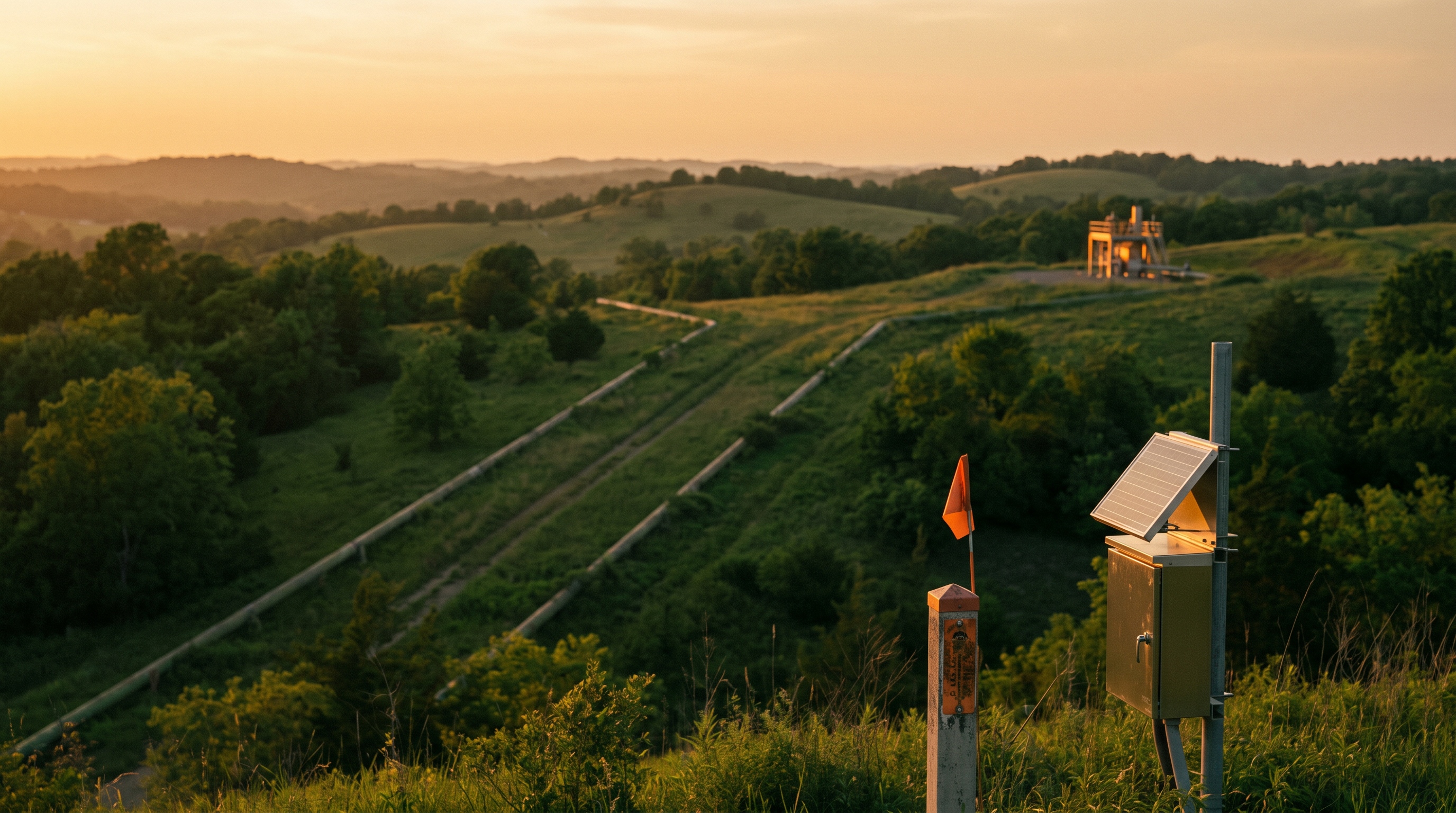
A remote site loses utility power. The facility system logs it immediately. The network management system says nothing, because as far as it can tell, nothing has happened yet — the battery is still carrying the load. By the time the network alarm fires, the quiet problem has become an urgent one. The gap between the two systems, not the power outage itself, is what turned a routine event into an emergency.
An outage that doesn’t announce itself
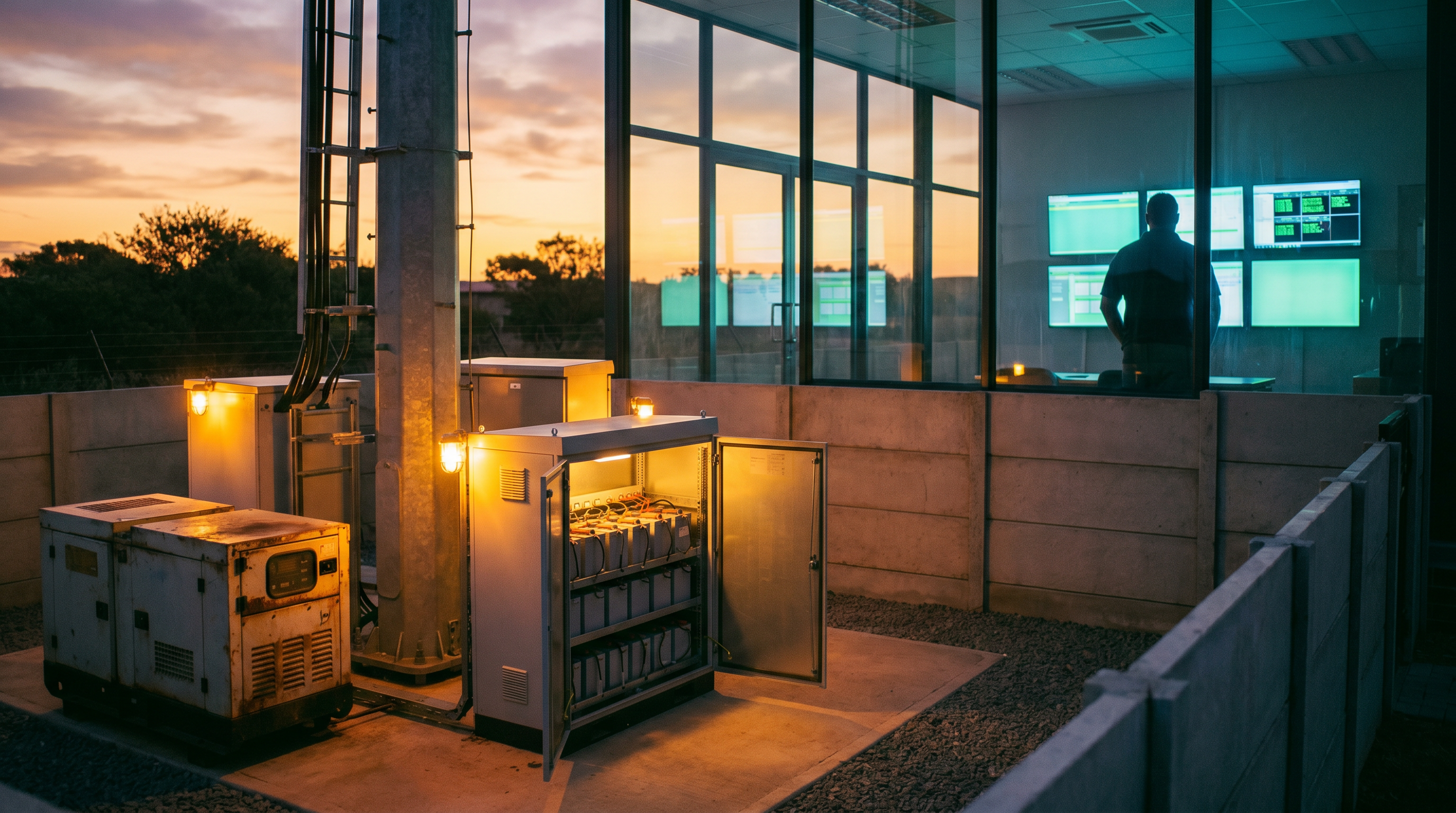
A remote site loses grid power at 2:14 a.m. Nobody notices, because nobody is supposed to have to. The site has a battery bank sized for exactly this. The facility monitoring system logs the power loss the moment it happens, timestamps it, and starts a runtime countdown. Everything is working the way it was designed to work.
The network management system, watching the same site through a different set of eyes, sees none of this. The radios are up. Traffic is flowing. Nothing in the network layer has changed, because nothing in the network layer has changed yet. The equipment doesn’t care where its power comes from, only that it has some. So the two systems that are both, in a real sense, watching this exact site produce two entirely different pictures of the night: one says an event is underway, the other says everything is normal.
Six hours later, the battery runs down. Now the network alarm fires, and it fires loud — a site down, customers affected, an outage clock running in front of a service-level agreement. By the time anyone is dispatched, what started as a routine utility interruption with a comfortable six-hour buffer has become an emergency with none left. The technician who eventually reaches the site finds a dead battery and a generator that needed fuel hours ago. The facility system knew that the whole time. It just had no way to tell the system that would have known to act on it.
Two systems, two clocks, one event
This is not a story about bad equipment or an undertrained team. The facility monitoring platform did its job. The network management platform did its job. The gap sits between them, in the part of the operation that belongs to neither system’s contract: the fact that a power event at a site is also, on a delay, a network event at that same site, and nothing in either platform is responsible for making that connection.
The structural condition shows up anywhere distributed infrastructure is watched by a facility-side system and a network-side system that were never designed to talk to each other. Generator state, battery percentage, fuel level, and ambient temperature live in one platform, built around electrical and mechanical thresholds. Radio health, traffic load, and element status live in a separate platform, built around protocol and service thresholds. Both are legitimate, well-built systems. Neither one’s model of “this site” includes the other’s signals, so neither can reason about what one implies for the other.
The cost of that gap is not a false alarm. It’s the opposite — a true signal that arrives too late to be useful. The facility system raised the flag at the moment it mattered most, when there were still hours of runway to act. That signal just had nowhere to go except its own dashboard, where it competed for attention with routine telemetry until the more dramatic, more familiar alarm from the network side finally forced the issue.
Why the fix isn’t a bigger dashboard
The instinctive response is to put both systems’ data on one screen. That helps an operator who happens to be looking at the right moment, but it doesn’t change the underlying problem, which is that nobody — human or system — is watching for the specific pattern that turns a facility event into a network risk. A wall of tiles is still two separate stories placed next to each other. Someone still has to notice the power tile changed, remember what that implies for the network tile six hours from now, and act before the second tile changes on its own.
What actually closes the gap is a shared model of the site that treats “utility down, on battery, four hours of runway remaining” as a single fact with two consequences, not two unrelated readings. A model like that correlates the power event with the site’s criticality, its remaining runtime, and its distance from the nearest qualified technician the moment the power event is logged — not six hours later when the network confirms what the facility system already knew. The recommendation that follows (dispatch now, refuel, or accept a scheduled visit before the battery runs out) is proposed with the runway still intact, and a person makes the call with time to act on it rather than time to apologize for the outage that already happened.
This is the same discipline that makes multi-domain intelligence work anywhere it works: not a bigger screen, but one reasoning layer that sits across the systems and understands what a signal in one means for the state of another. The facility platform and the network platform stay exactly what they are. Nothing gets replaced. What changes is whether the fact that they’re both describing the same site gets acted on before the delay turns it into an outage.
What this means for the service-assurance conversation
Distributed infrastructure — a tower network, a fiber footprint, any operation with sites spread across a wide area and monitored by more than one system — carries this exact risk in more places than the ones anyone remembers to check. Every site with its own power source and its own network presence has two clocks running against it, and the gap between them is where mean time to repair actually gets decided, well before a technician is ever dispatched.
The honest audit question isn’t whether the facility system and the network system each work. They almost certainly do. It’s whether a power event at any site today would reach someone who can act on it before the network confirms it the hard way — and whether that path is a person remembering to cross-reference two dashboards, or a governed correlation that does it the moment the first signal arrives. Operations that can answer that question with a system instead of a person are the ones where routine utility interruptions stay routine, night after night, at every site, without anyone having to be the one who happened to notice in time.